This was a year where I saw the endless sky above Montana, smelled the ravages of fire in California, and stood at the edge of the fantastic, sensing and savoring the sublime magnificence of edges along the Grand Canyon.

This was a year where I saw the endless sky above Montana, smelled the ravages of fire in California, and stood at the edge of the fantastic, sensing and savoring the sublime magnificence of edges along the Grand Canyon.

Marking the Infinite
June 7, 2018
The Phillips Collection

No Spectators
August 8, 2018
Renwick Gallery


At the start of the sixth annual Tolkien Lecture on Fantasy Literature author V.E. Schwab described how a co-panelist stated that J.R.R. Tolkien’s novels were required reading for anyone venturing into the world of fantasy – both as a writer and a reader. In response Schwab,
“…told the man on the panel I had never read Tolkien, and he looked at me not with derision exactly, but with such open astonishment, as if wondering how I found my way into that chair, onto that panel, into the building, onto the pages of books, without him. And I simply said, “I found another door.”

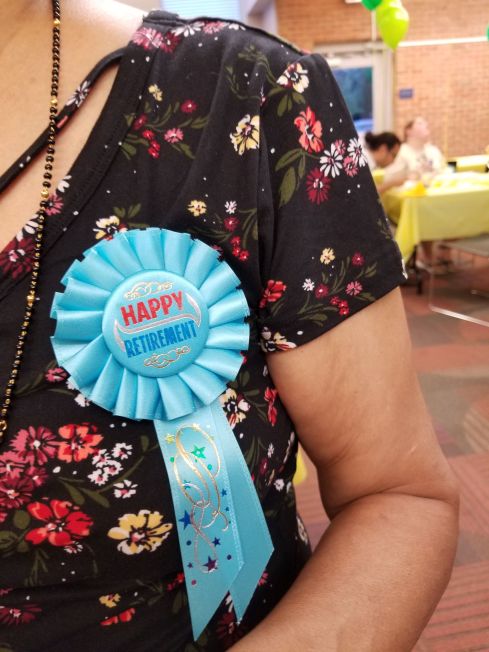
That simple statement has been tumbling about my head for a number of days as I tried to remember what served as my entree into the world of books and reading. I knew what pushed me towards the fantasy genre, but there was no singular book that made me realize that I valued and loved the written word.
However, even though the actual door was a long-faded memory, I will never forget the architect: my mother. Continue reading “On Doorways and the Love of Libraries”
Waitress
May 17, 2018
The National Theatre | Washington, DC

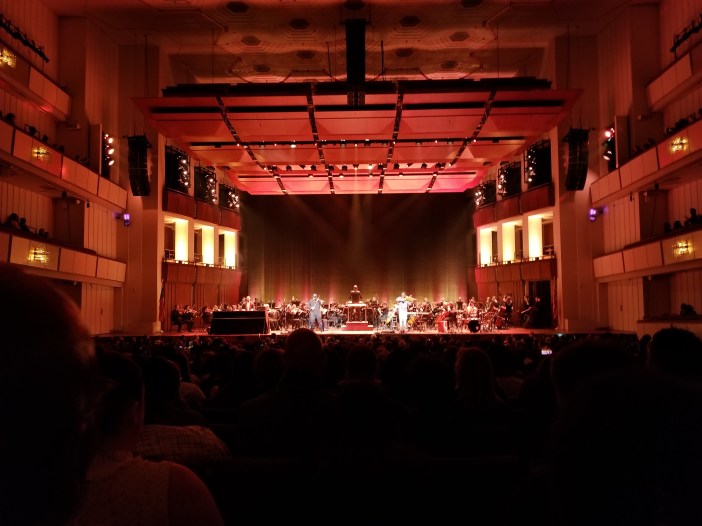
Black Violin with the National Symphony Orchestra
April 5, 2018
The Kennedy Center

I spent the weekend in paradise.
Well. My version of paradise, despite the cool torrents of rain sweeping through for the fifth day in a row, or the Virginia humidity the day after, rising up from the lush, textured, tops of trees that hid the flowing James River.

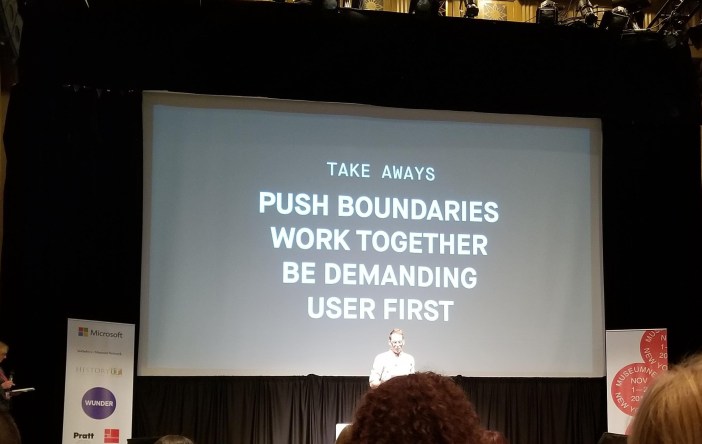
How do you tell the history of a place throughout time that seamlessly integrates other forms of expression?
We can tell the basic story of the past — the who, what, when, where, and why, but how can we account for a story where human expression and connections to those events become as important as the events being described. Equally critical — are the digital tools, and methods we can use to communicate these ideas in our work to tell the full American story.

Continue reading “[Presentation] Multidisciplinary Storytelling in a Digital World”