Keep Humanity in the Loop in 2026

“We need so much less than we take. We owe so much more than we give.”—From “Homesick: A Plea for our Planet” in You Better Be Lightning by Andrea Gibson

I did not know anything about Andrea Gibson when news of their death broke in July 2025. A poet, Gibson had lived a life that inspired others, using words to draw out emotion and connection across several themes. But something changed after Gibson’s diagnosis of ovarian cancer. “Their writing,” as Gibson’s friend Amber Tamblyn described “moved beyond protesting the injustices of the world in binary political terms of right and left as they began to explore the problem of our shared inhumanity. Andrea could see what so many could not: that we are more fractured than ever, and that the only salve might be to lean into what sometimes feels impossible—to love and appreciate each other in spite of our differences.”

Tamblyn’s piece came out in October, around when I started thinking about how I wanted to reflect on 2025, and those particular words took root in my heart. I asked myself, how could I turn this piece from a lament to a balm, particularly when it had been, in so many respects, a terrible year.
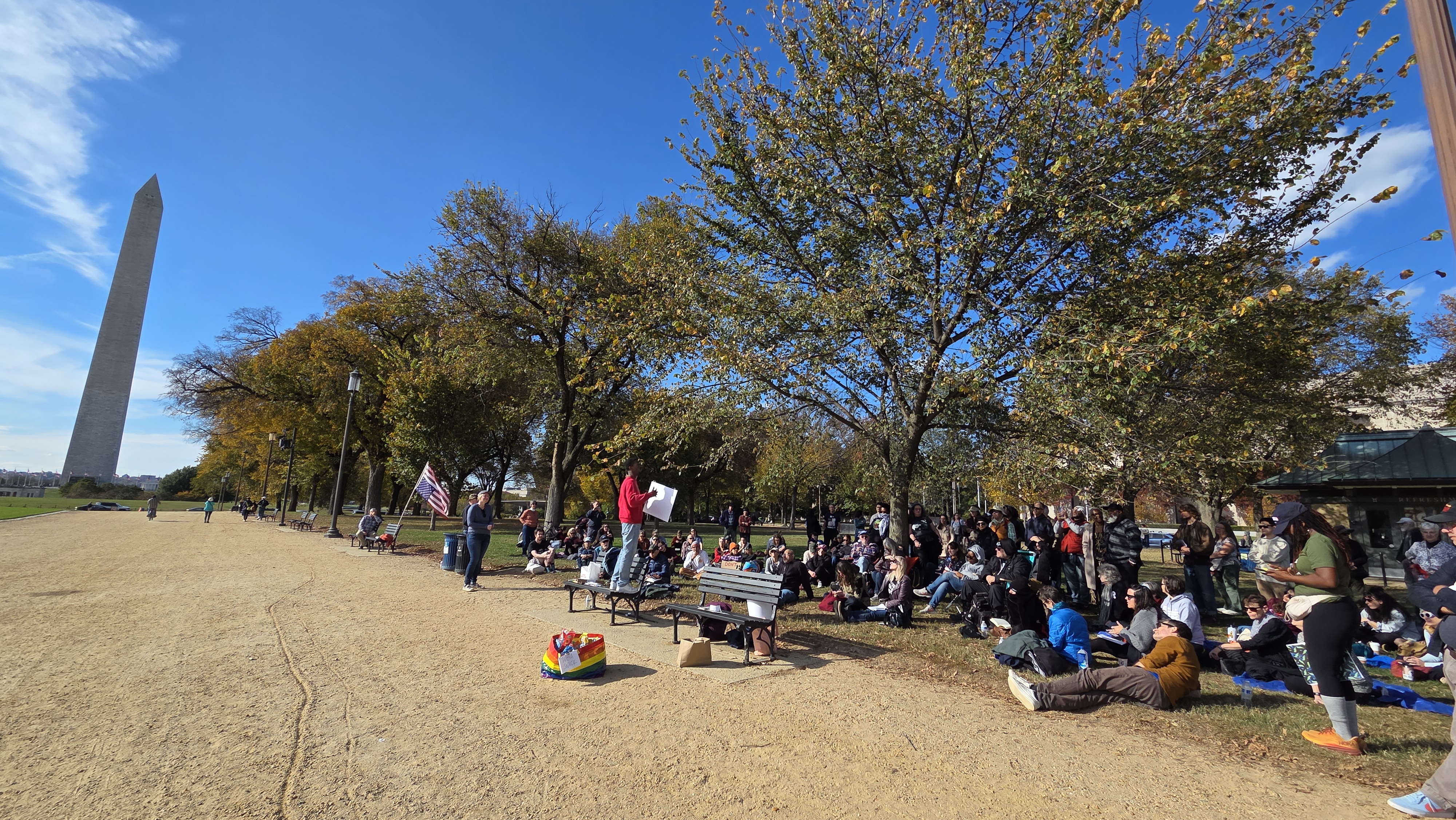
A group of people are gathered with the Washington Monument in the background.
In the fall of 2025 a group of people gathered for a teach in hosted Nate DiMeo (The Memory Palace) and Jody Avrigan (This Day). I attended the middle of the day session and found connection and conversation (along with lessons learned) through the presentations.

Maybe, it is best to start by being honest.

Every single day of 2025, I worked to put one foot in front of the other while letting the steadiness of my heartbeat keep me grounded. By holding onto these constant physical reminders—proof of life so to speak— I comforted myself that I was healthy and living with a measure of personal stability.

However, even within that amorphous sense of safety, it was impossible to feel truly secure when faced with the pain of others, especially when everything felt (and still feels) in a state of cognitive dissonance. I tried to remember my intentions—focusing on perspective and perception—written in those last days before the grotesque funhouse mirror we call our country came into focus. I examined how I spent the next 340ish days struggling to hold onto that perspective, trying to trust my perception of events as they unfolded, even as others found ways to rationalize the choices of the corrupt and powerful.
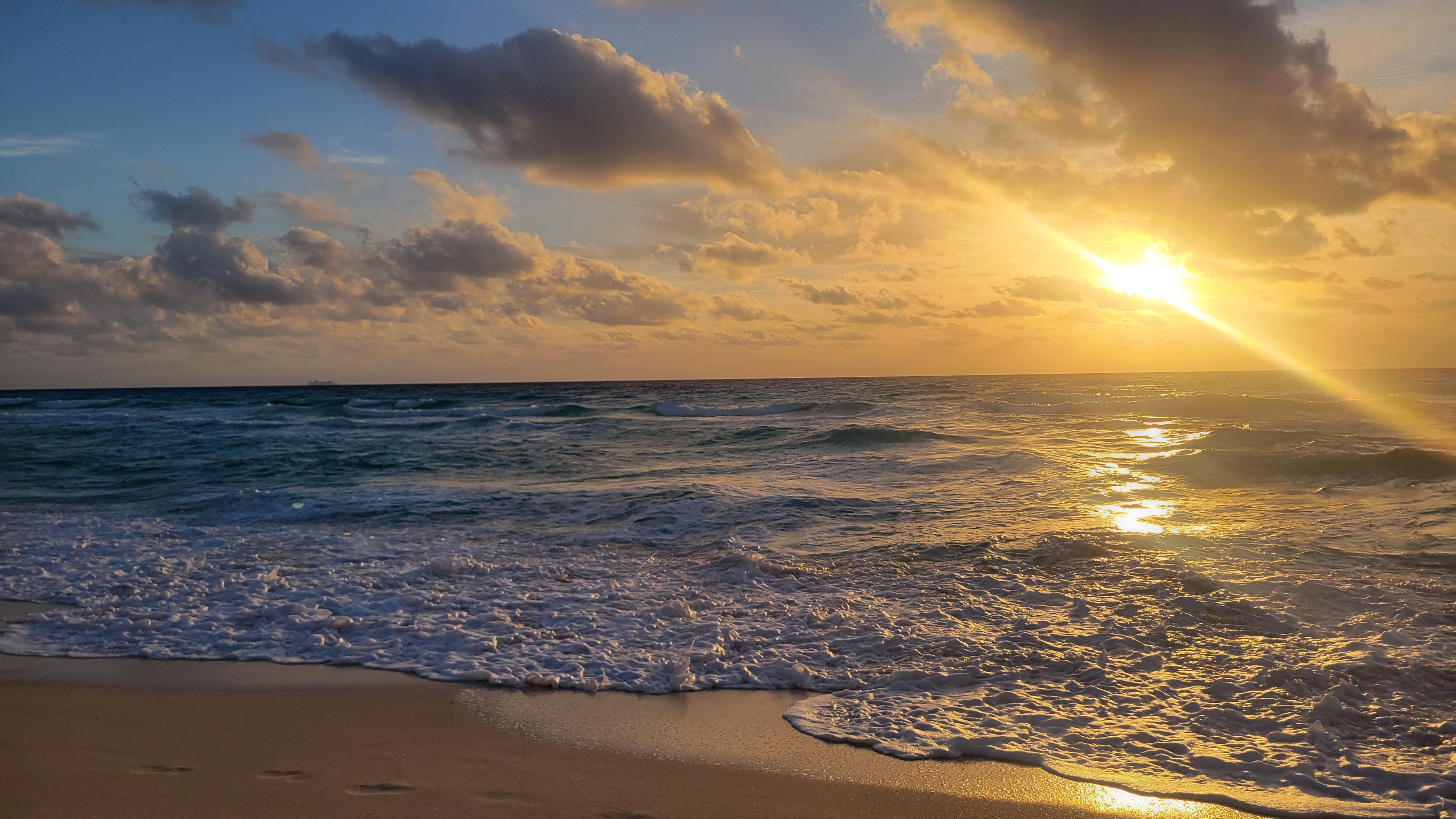
A sunrise over a beach with weaves coming in.
In February 2025, my entire family went on a trip to Cancun, where we had the opportunity to connect with one another.

To survive, I sought ways to step back from the firehose of news and focus in on what I could do as a historian, a woman, and a human being. I protested, I traveled, I wrote poetry (not every day as I intended but when my heart ached and my body sought an outlet). I sat in community with my friends and family, and I witnessed. I attended a teach-in. I looked for places to gather, to not feel so alone—allowing myself to feel this unyielding grief that has no remove; while not letting it overwhelm me. And when it did, I acknowledge, I sat myself in front of the television to escape, ceding sleep to stories that made me feel when the world was inciting me to numbness.

I allowed myself the grace of joy when it came my way, and accepted laughter as it stumbled towards me. And above all else I tried to center my humanity, and to acknowledge the humanity in others. Because that is one thing we are on the precipice of losing.
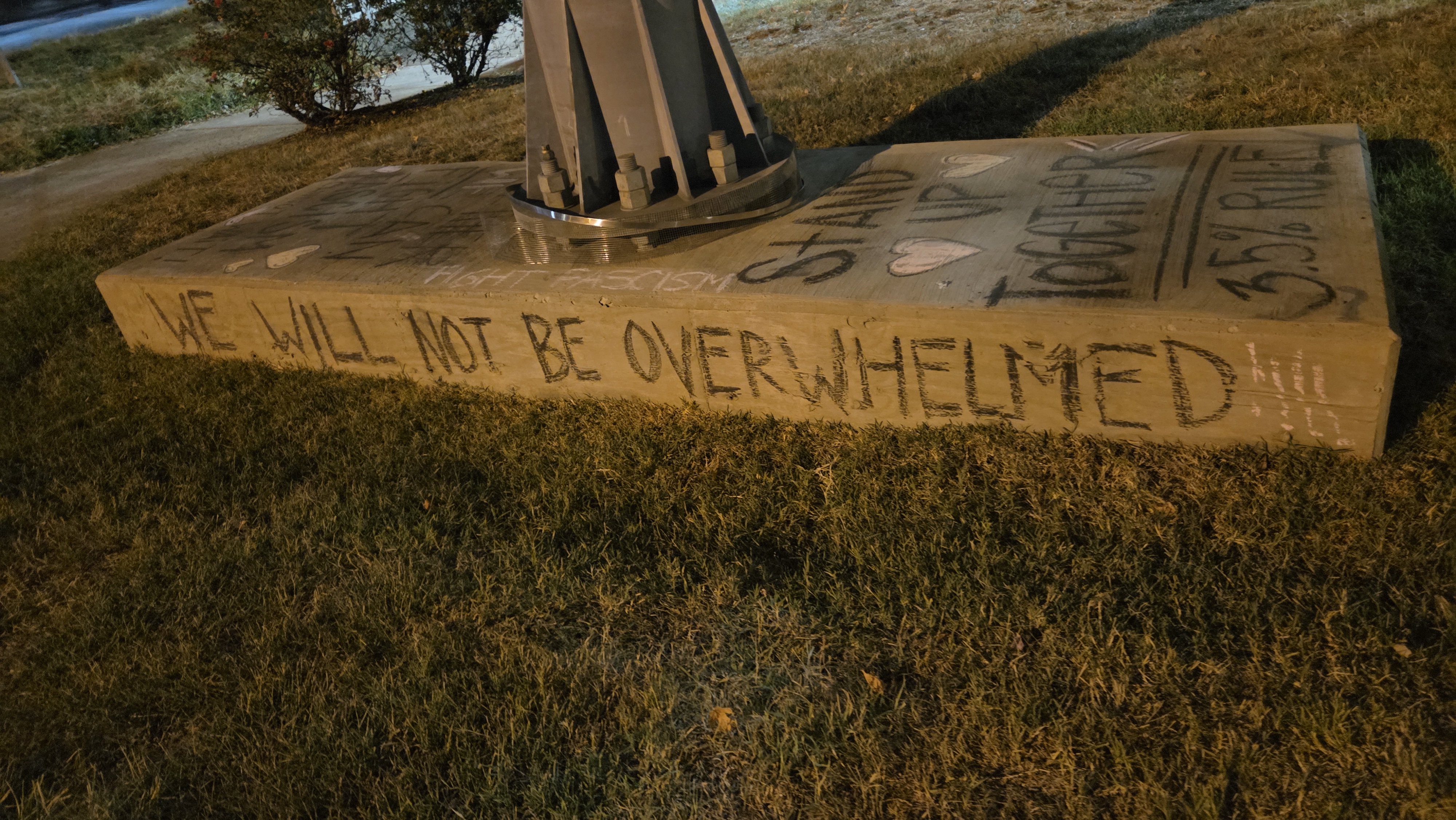
Words on a cement block calling for resistance
Every few days new words of protest popped up on my daily walks. Here is one of them.

A little while after reading the piece on Gibson, I traveled to Oklahoma City for the launch of another huge professional project focused on Route 66. The event was at the National Cowboy Heritage and Western Museum, and as I meandered through the galleries I found myself arrested by a circular painting by Erin Shaw, a Chickasaw-Chocktaw self-described “artist of the borderlands, the spaces between worlds.” The painting, called Everything Belongs, is luminous. Against a background of blues and greens are a field of stories in the shape of individualized structures, animals, and symbols. It felt, almost like a yearning dreamscape, a call for imagination, a hoped for reality. One where we are all connected, and we all belong. And yet…
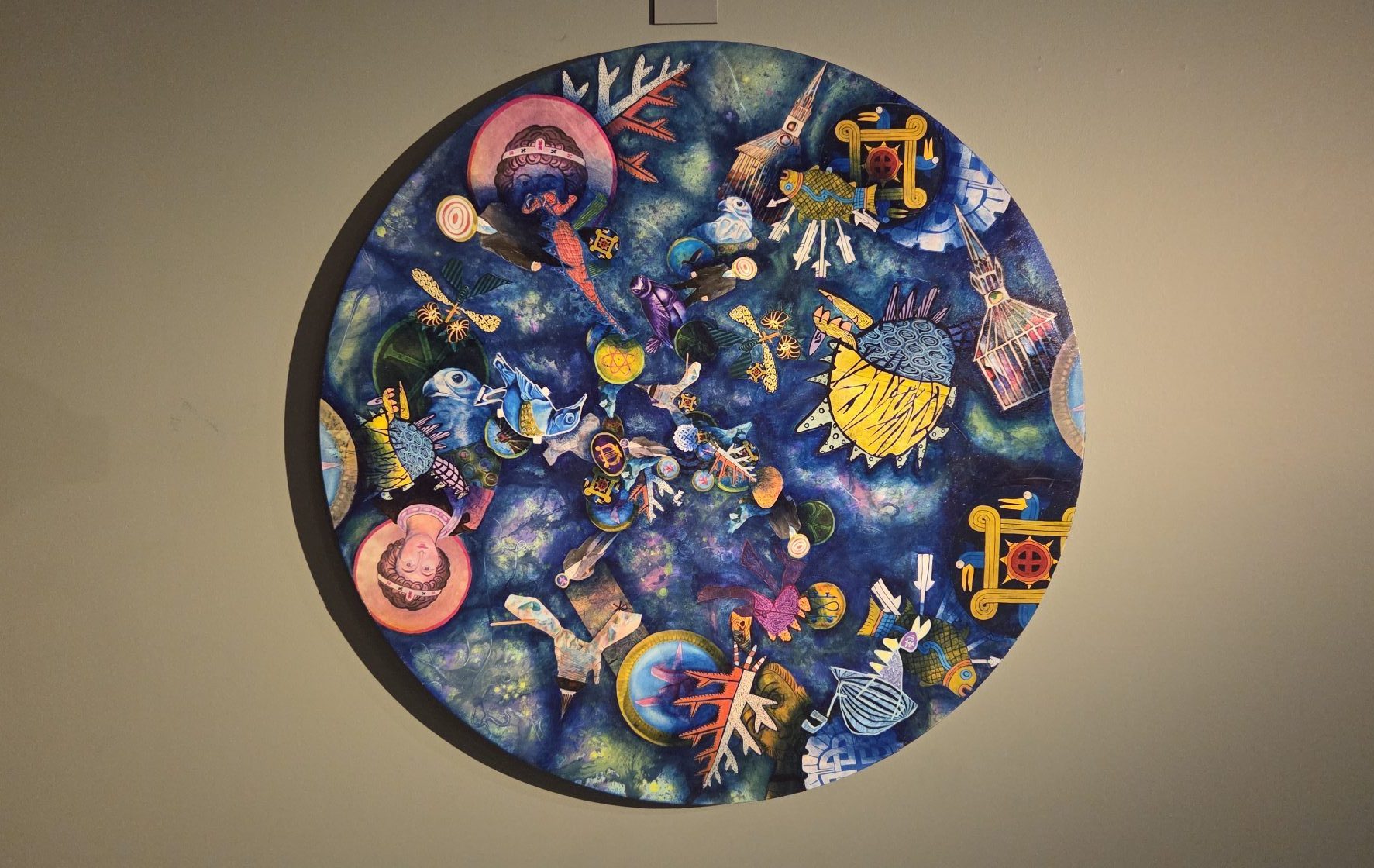
A circular painting with a blue background filled with symbolic and other imagery.
A painting by Erin Shaw, a Chickasaw-Choctaw artist based out of Oklahoma.

There is a phrase in the business of Artificial Intelligence (like so many I have been forced to learn more, and adopt this technology) about how it is a tool and that all must remember to “keep humans in the loop.” It is meant to be a reminder that as good as the tech can get, from an ethical standpoint human beings must be part of the system to ensure it is without error. The jargon says it is a moral checks and balances (though, what happens when the humans in the loop are agents of chaos? But I digress).

Consequently, in 2026 my intention is to keep humanity in the loop. It is a tiny difference, but it is one that asks us to remember that each one of us deserves to live a life free from pain, from hunger, from terror, and trauma. That everyone deserves a world in which we can thrive, and to not be afraid to move against the violence that is spreading unchecked across our country (and the world)—even as reality pushes the narrative that gleeful cruelty looks to be winning the day.

It must not be the case.
It cannot be the case.

As a historian, I believe fundamentally in the long arc of justice, know that change moves at the speed of generations, and that progress may no longer happen in my lifetime.* But we cannot stand still, we must be the agents for humanity. We must be the force for good, so that our voices rise higher than those that seek to shut it down.  

There simply is no other choice.
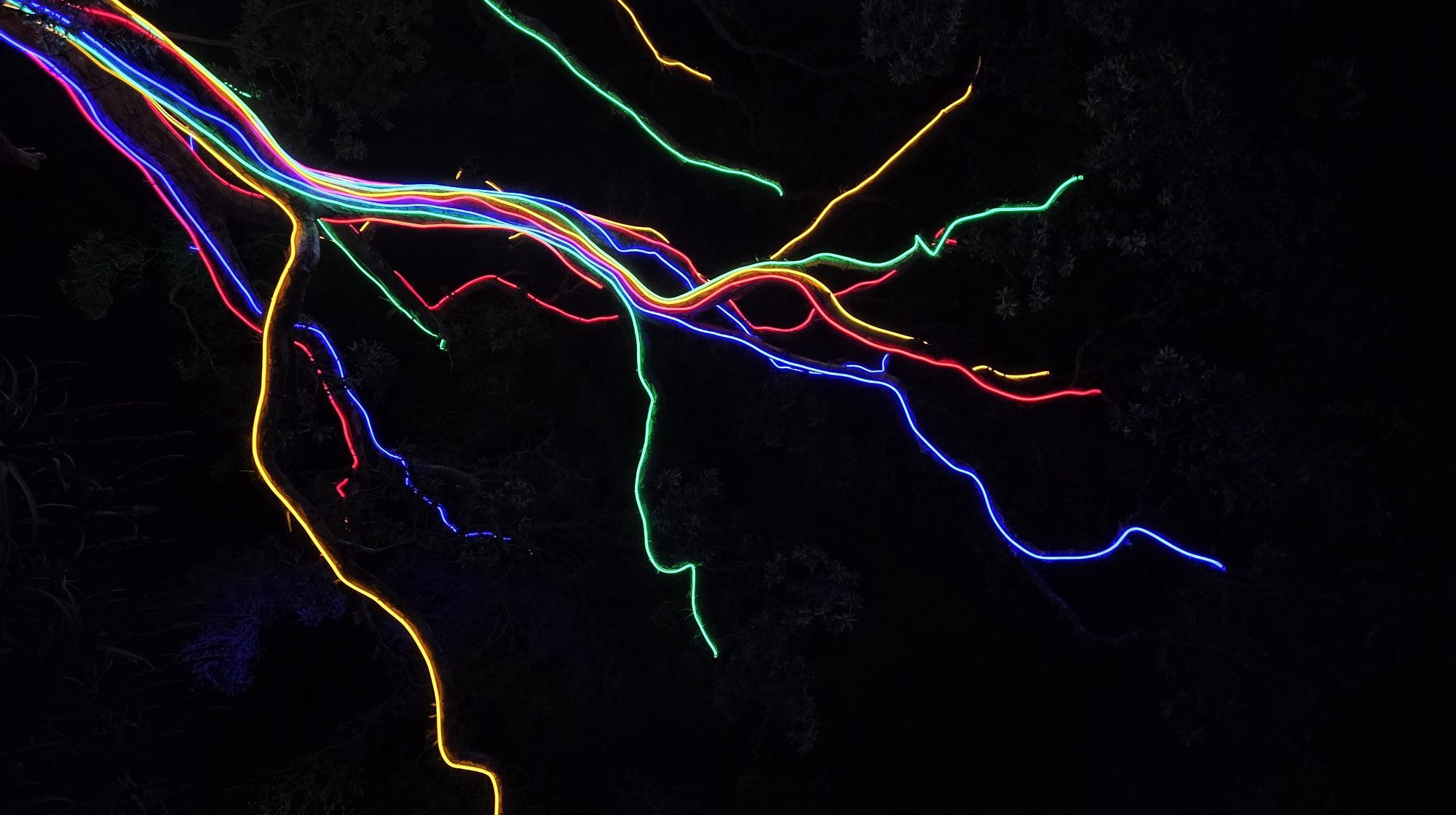
A detail view of branches of a tree outlined with different colored lights.
A detail view of one of the light up displays at the San Francisco Botanical Gardens annual Lightscape event. I was drawn to this image of multi-colored lights highlighting the natural shape of wintering branches.

In Case of Fire, Break Glass

I have ten fingers, ten toes, two eyes, two ears,
one mouth, one nose. I am, I am, I am,
Human.

And you? You have ten fingers, ten toes, two eyes, two ears,
one mouth, one nose. You are, you are, you are,
Human.

And them? They have ten fingers, ten toes, two eyes, two ears,
one mouth, one nose. They are, they are, they are,
Human.

But through the looking glass, a distorted mirror. Translating
avarice and greed and making others into monsters. Cracks:
Where 7 years of bad luck has captured souls, creating fractures.

But believe this: We are more than our appendages.
We are a head. We are a heart. We are a part of
humanity.

Another option:  

In case of fire, break glass.
I lift the hammer.

*Credit where credit is due: I look to the past for guidance and knowledge. These beliefs come from the actions, words, experiences of anti-slavery and Civil Rights era leaders, and other notable figures in Black history. I just serve as a vehicle to carry those legacies forward.

My Twenty Twenty-Five

Here is a look at all that I read, watched, experienced in 2025. For reasons I describe above, I wrote nothing for myself this year, so as a result my full thoughts on some things are taking up valuable real estate in my head. As a writer that is uncomfortable, so I’ll work on that.

Continue reading “Keep Humanity in the Loop in 2026”

Perspective and Perception in 2025

I spent the last three weeks of 2024 in two different countries, far away from the place that I call home. When I returned it was evident that after a year of cultivating the tools of breath and balance there was one more thing I needed to carry in my toolbox—a sense of perspective. 

A view from the Radhanagar Beach on Havelock Island one of the Andaman and Nicobar Islands in India. (December 2024).

For many of us this past year was filled with incredible highs and devastating lows. I had some successes in my professional life that included launching the initial version of a Google Arts & Culture project focused on America’s Chinatowns, the publication of a review essay in The Public Historian, and the completion of term on the National Council on Public History board.  

A wooded area on Havelock Island adjacent to the Radhanagar Beach, view of the Chidiya Tapu Beach, and Me posing on Havelock Island.

On the personal side I watched ten people I care about bring new life into the world, filling my feeds and text chains with photographs of tiny humans. I took my nieces to our first movie together, spent some time with my new hobby of water coloring by painting with my nephew, and found ways to spend quality moments with my friends and family as we gardened, danced at weddings, and experienced new live music. I also built some muscles (IYKYK) while experiencing the wonder of a partial eclipse and the Northern Lights.

But then there were the lows. In the spring I said goodbye to my grandmother, a woman who had prophesied this very moment (with a twinkle in her eye) as I hugged her at the end of my 2023 visit. While small in comparison to the very real horrors facing communities across the globe, it felt like losing a piece of the sun. This deeply personal loss came into stark relief when I walked into her apartment nearly seven months later and saw the empty swing and balcony where she used to sit.

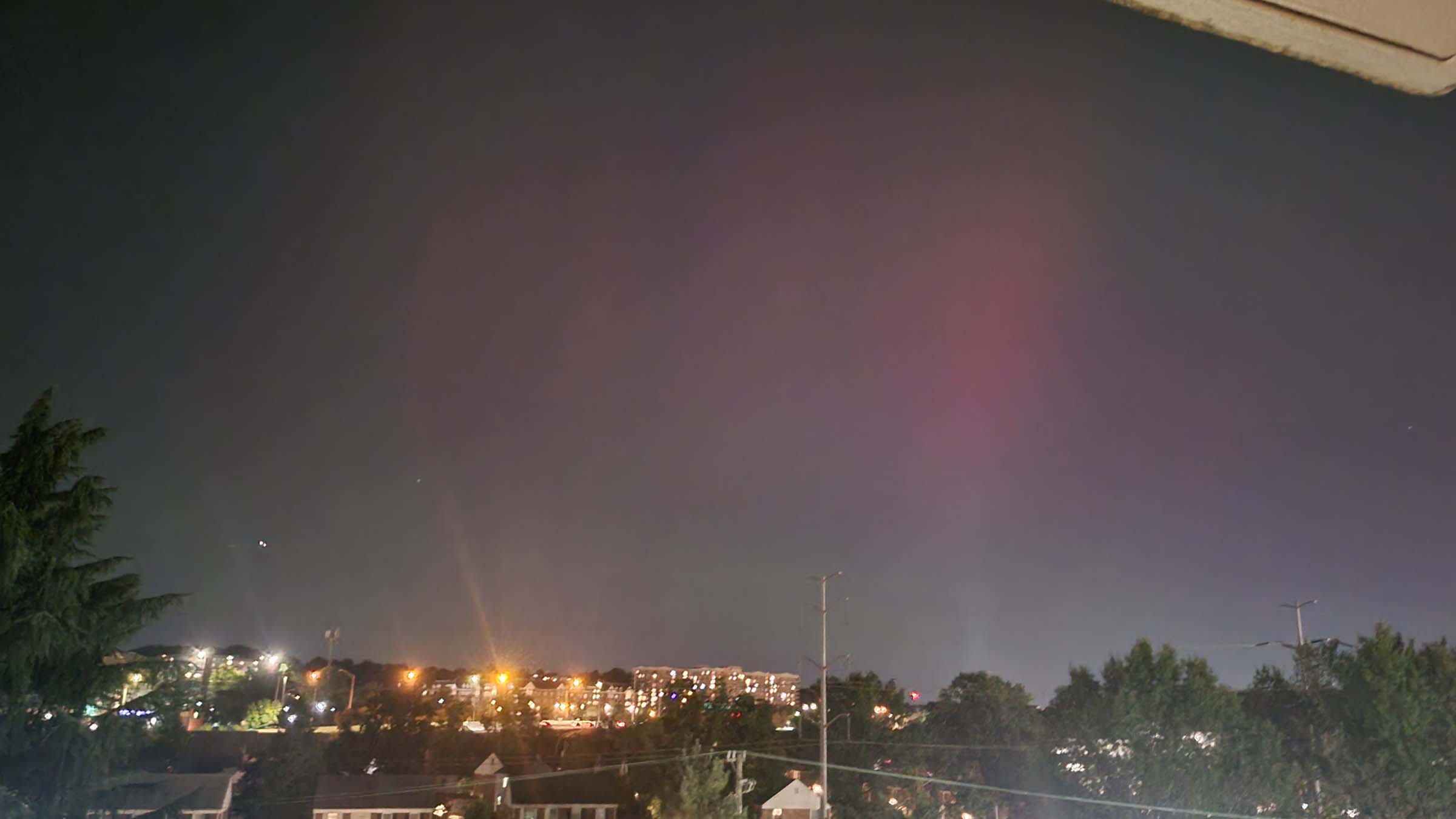
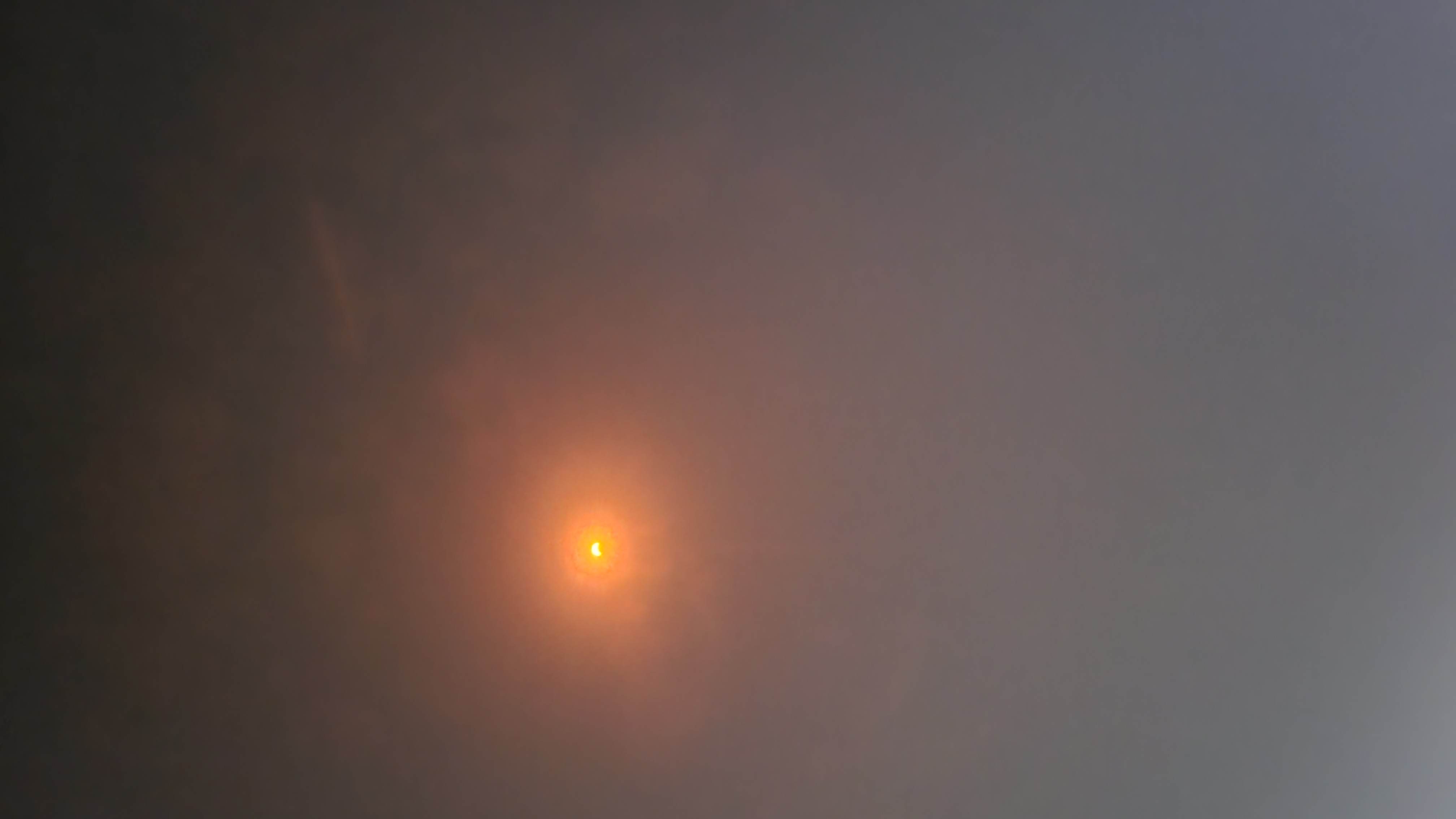
View of the Northern Lights (Left) and the Partial Solar Eclipse (Right) in Northern Virginia.


Then there was November, and the slowly growing dread for our future. 

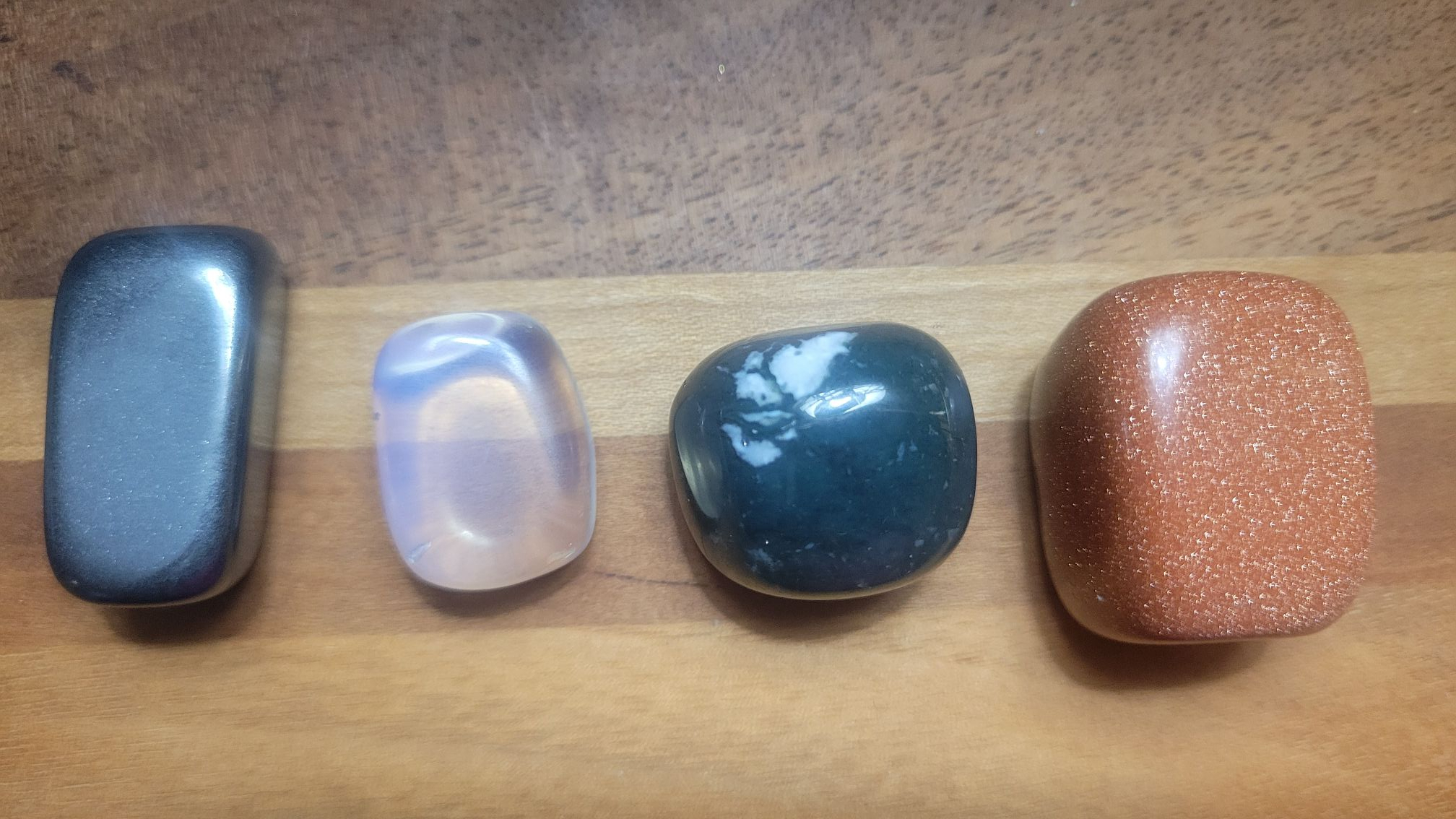
Throughout it all I looked for practices that would help me recenter and refocus on what I was capable of doing against the sadness and frustration. I finally attended a Daybreaker event at the Kennedy Center, I got into a rhythm with exercise, I bought myself some fidget rocks after hearing and meditating with the incredible Seema Reza at a Creative Mornings. I looked for light where there was darkness, and found it in friendship and family but also in the quiet of the morning before the expectations of the world creeped in.

Four stones in line with different meanings to calm the holder down.
Left to Right: Hematite (grounding, balance), Opalite (healing, joy), Moss Agate (growth, abundance, peace), Red Goldstone (uplifting, confidence).

In the last days of August, a former colleague turned mindfulness guide took me and a group of friends on a walk through the Tregaron Conservancy in Washington, D.C. It is a practice I had wanted to do for a while and it seemed like the perfect way to mark this particular birthday. For about an hour we walked silently through the woods, stopping when prompted to consider the trees, the sounds, the smells.


At one point Susan had us take our hands and hold them up as if they were a picture frame through which to view the trees, asking us to describe what we saw in that small window before we opened it up to see a wider landscape. It was an exercise in perspective, forcing us to discern between what we saw in the narrow view versus a wider lens. To ask on the flip side, what did we miss when consolidating our view to that fixed point? 

In another exercise we closed our eyes for some time closing off one of our senses so we could focus on “seeing” the world through others. At the end of the prescribed period, we open them again examined how our view has changed. What did we see that we did not see before? How has our perception of the world changed?

View of New Orleans in October 2024 when I was there for PastForward 2024. The bridge is lit up in honor of Taylor Swift’s Era’s Tour.


These questions and these practices are the grounding for my intention in 2025. I’m not going to lie to myself. I know things are going to be hard. It is going to be very easy to fall into a world of outrage, panic, and fear. I will worry. These are feelings I will not be able to turn off.

Continue reading “Perspective and Perception in 2025”

2024: Breath & Balance

If there is one thing I have learned about myself in 2023, it is this: change takes time. It is easy to tell yourself that you are ready to refocus your life and build an expectation for those shifts to happen overnight. It is just as easy to fall back into old habits and get caught up in the least important things, forgetting to breathe, or to strive for the balance necessary for well-being.

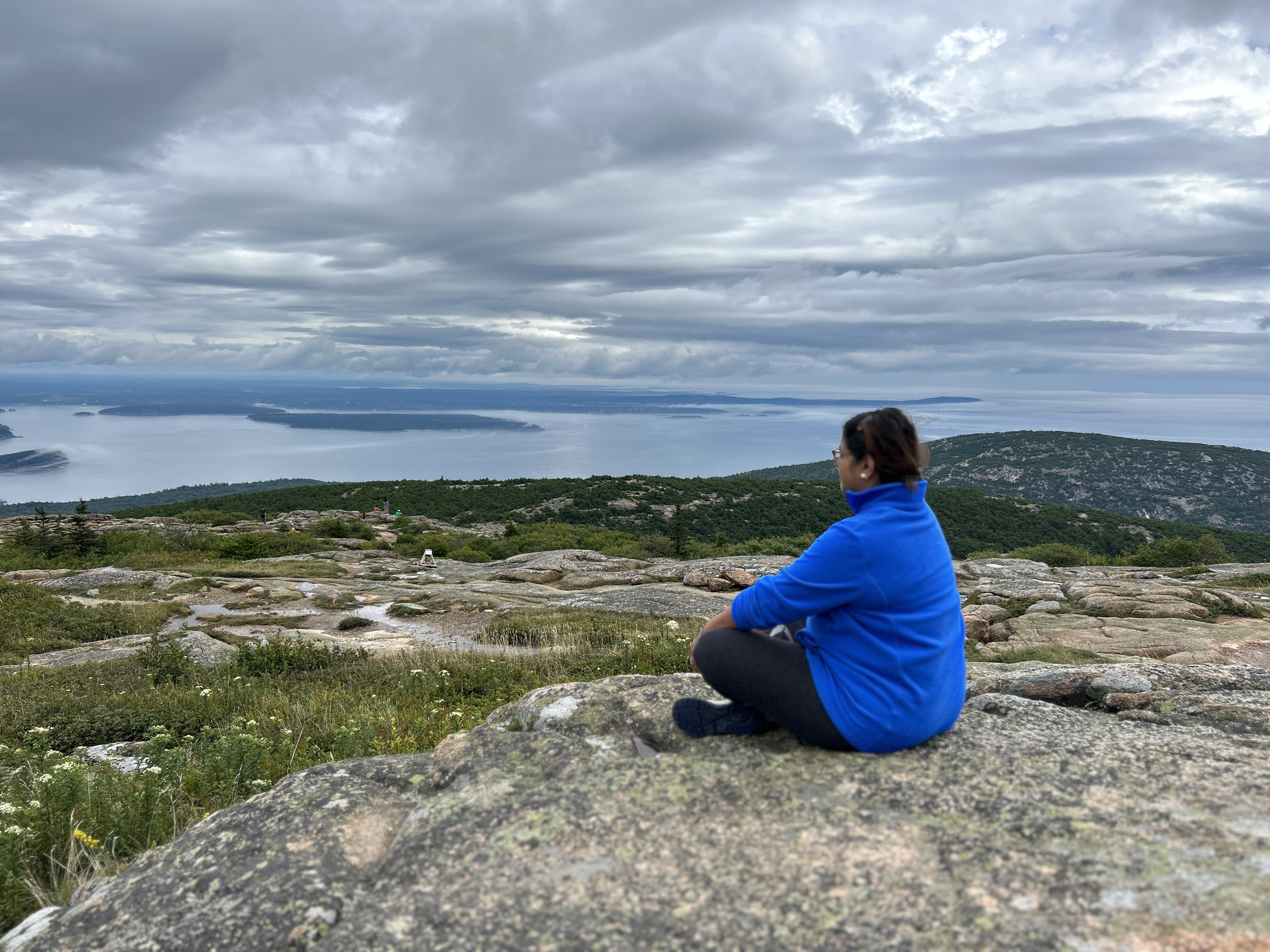
A woman sitting cross legged on the ground looking out over the waters in Acadia
Priya looking out over the waters from Cadillac Mountain at Acadia National Park in August 2023.

Last January, my intention was clear, 2023 was going to be the year of service. I volunteered for the Posse Foundation, I took photographs at an event for 826DC, I stood as a poll greeter for primaries and the general elections, I continued my committee and board service to the National Council on Public History, and I threw myself into the hyperlocal service that comes from being the chair of my building’s activities committee. All were rewarding in their own way, but it became apparent that there was an imbalance, and the volume of expectations I had put on myself was not sustainable.

2023 was also about standing adjacent to grief.

From January to December, I watched friends and family struggle with profound losses of parents, siblings, grandparents, and friends. While I couldn’t always help, I sent them love, acknowledged their sadness, and was present when needed. Then, as the world faced and continues to face escalating global conflicts, I remembered the words of activist and faith leader Valerie Kaur who said, “Seeing no stranger begins in wonder. It is to look upon the face of anyone and choose to say: You are a part of me I do not yet know,” and so their grief, became my grief. Their loss, my loss.

But I needed a reminder to breathe, to balance the fear, the sadness, and the weight of grief, with the privilege of joy.

That joy, came from precious—in person, lest we take it for granted—time with my family, my friends, and my circles of community. In February, I traveled to India to sit with and be with my aunts, uncles, cousins, and my sole remaining grandmother. It was two weeks of unscheduled time for conversation, for gathering, for feeling, and for love.

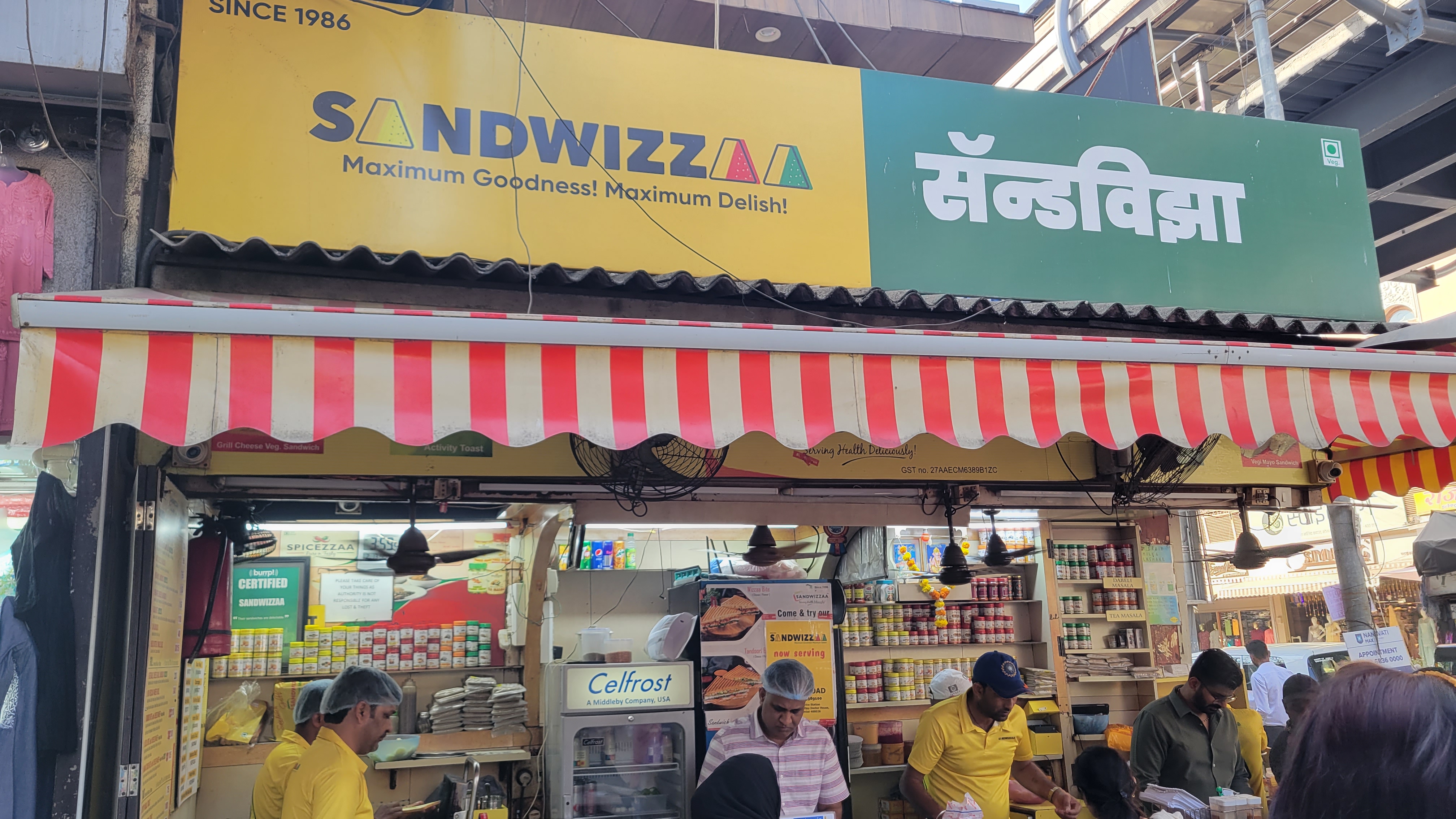
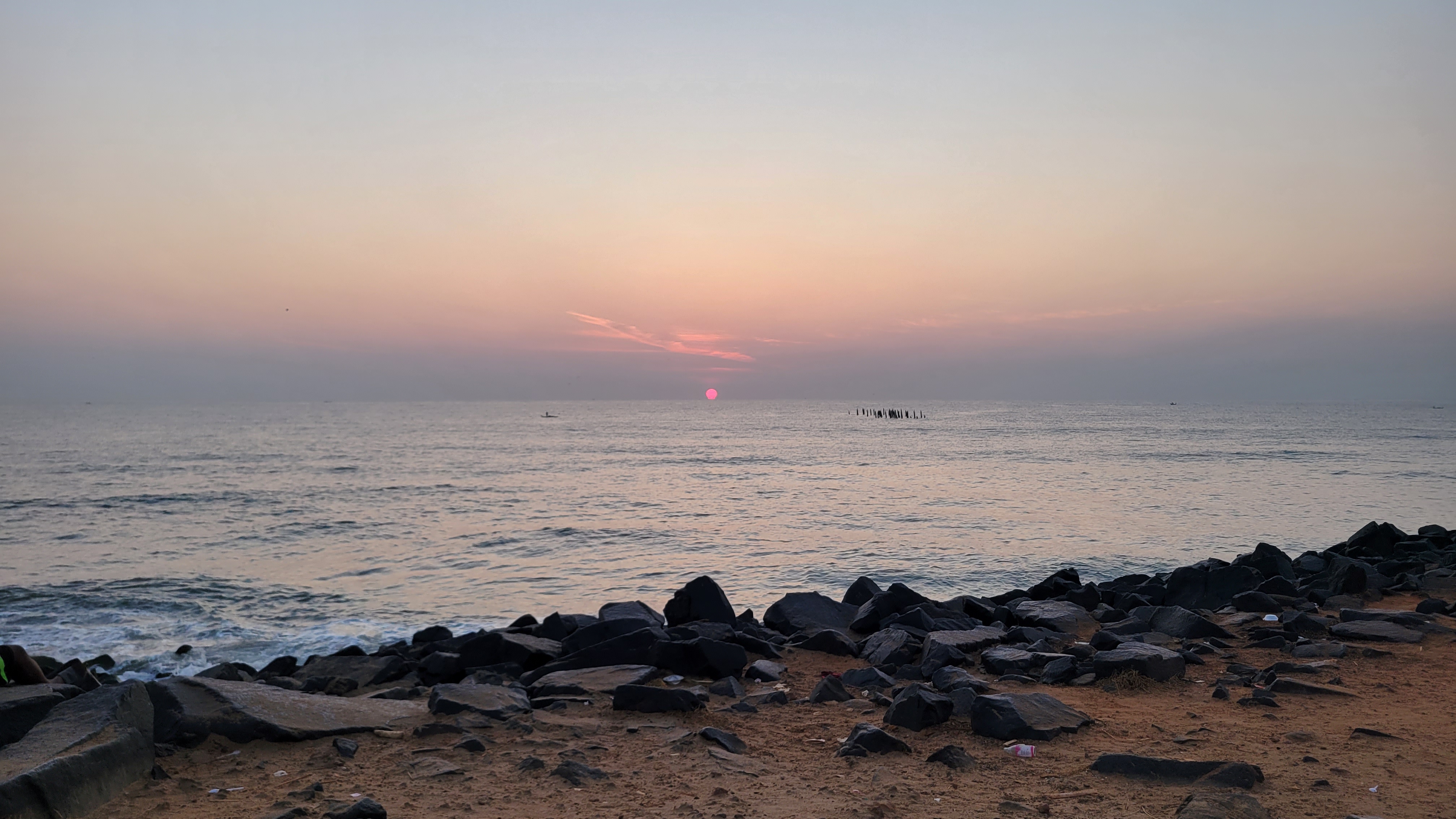
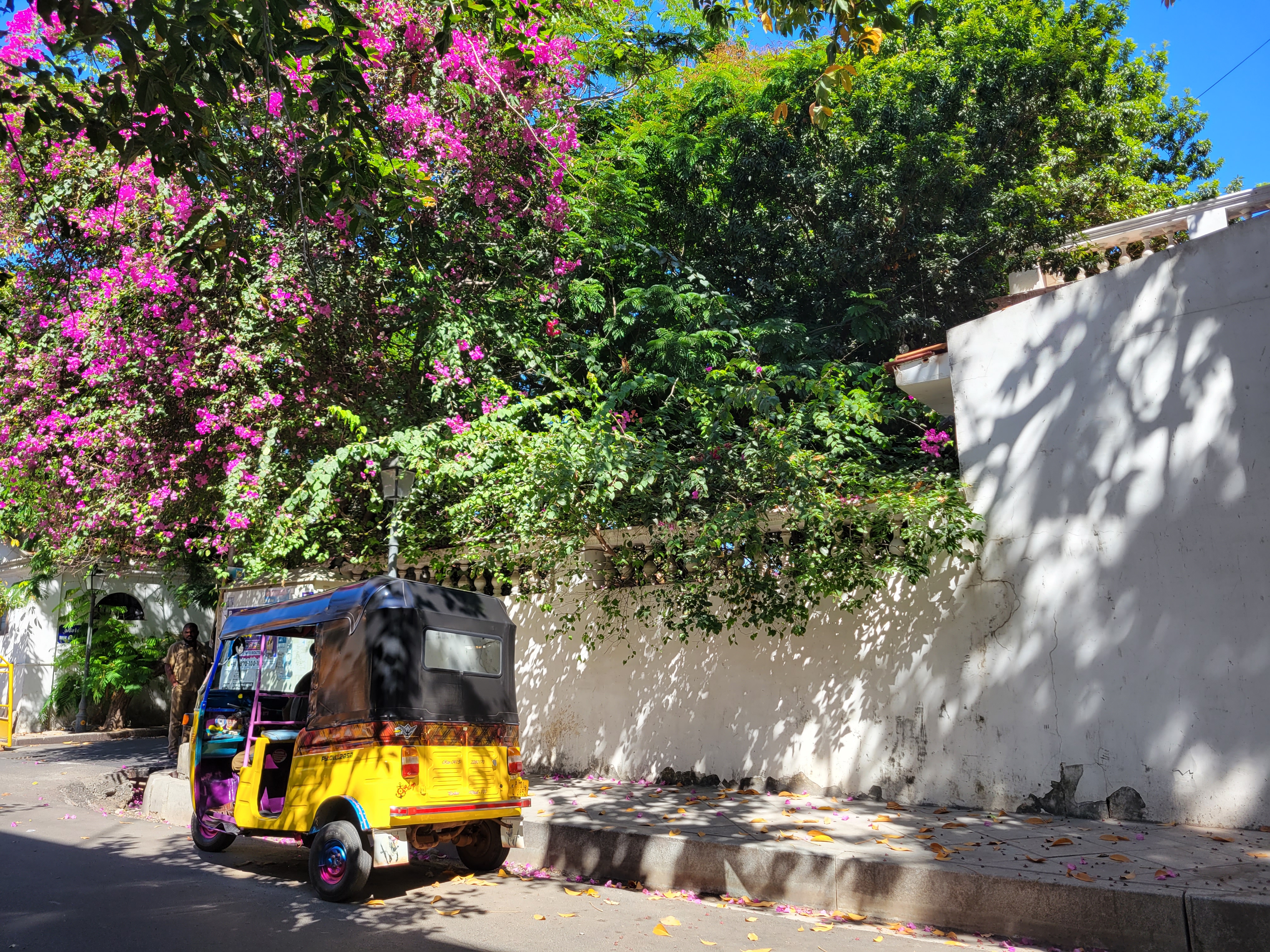
Images Clockwise: My favorite sandwich shop in Mumbai, a street view in Pondicherry, a sunrise in Pondicherry.

Back in the United States, my immediate family and I gathered in San Francisco, New Jersey, and New York City—culminating in an epic 80th birthday party for my father at the end of the year.

In the spring I spent time with my public history colleagues in Atlanta for the first time since 2019, reinvigorating my mind as well as my soul.

I took road trips to Longwood Gardens and returned to Williamsburg to see old friends as my advisor took a well earned retirement. At home, I attended plays and concerts, visited museums, and had meals with people who reminded me of all the good and kindness that still exists amidst the sorrow.

A glimpse of Beyond the Light at ARTECHOUSE. This installation used images from NASA to create a visual journey through space.

There were intertwined in all of this, personal moments of celebration. I finished my second children’s book From the Stars to the Moona love letter for my niece the emphasized the importance of laughter. I attended my first book fair. I found comfort in watercolor painting, and I wrote 50,000 words for a novel that I hope pushes some promises I made over a year ago forward.

I became, as my friend and I joked, a farmer. As we worked on our community garden plot, I learned the patience and care that comes with stepping away from screens and tending the soil.

These people, these personal joys, were the breath that brought the balance.

Continue reading “2024: Breath & Balance”

The Choices We Make: The Jungle and Here There Are Blueberries

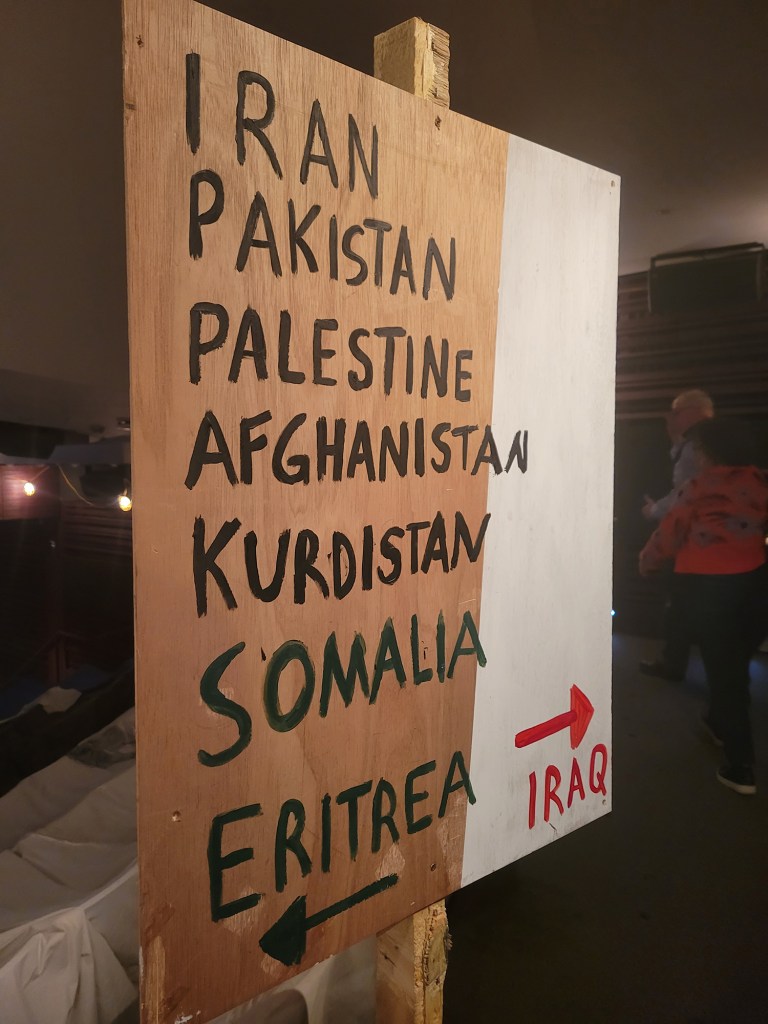
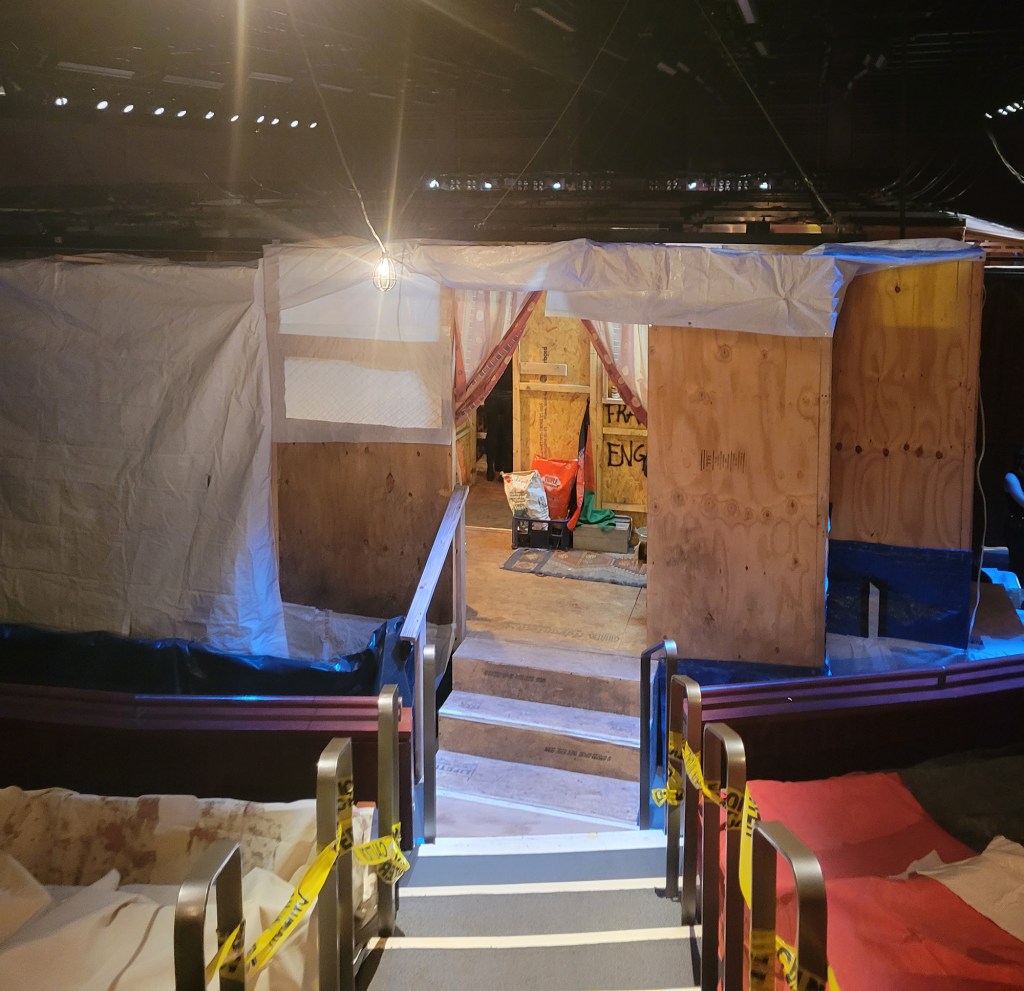
In April, I stepped into a theater transformed. Gone were the tiers of formal seats dividing the stage from the audience. Instead, I was ushered into a tent holding a ticket marked Kurdistan and led through two countries to a seat on the floor of a raised platform. This was The Jungle, a refugee camp that existed from January 2015-October 2016, in Calais, France.

In May, the seats were back in their seemingly rightful place for a different, yet equally powerful immersive experience. Centered around a photo album featuring Nazi perpetrators vacationing at the concentration and death camps Auschwitz-Birkenau, the audience was pulled into a detective story, one where we glimpsed the practice of a curator at the United States Holocaust Memorial Museum (USHMM), and the search for meaning within this unexpected object. This was Here There Are Blueberries.


As theatrical performances, both shows were examples of effective stagecraft. Each production connected audience members to complex stories, and each actor’s performance was designed to ask a series of questions about the broader scope of humanity.

Our humanity.

Continue reading “The Choices We Make: The Jungle and Here There Are Blueberries”

In Translation: Adaptation, Connection, and the Heart of a Story

Last year, as I followed discussions about the new film version of Persuasion, I began thinking about how adaptations are really a form of translation. Instead of moving between languages, adaptation brings a story from one form to another.  

For those doing the translating, it can be a fine balance. On one side there are those who love the original source material, who have built a connection to the story, and the heart of the original narrative. On the other hand, going from one medium to another provides opportunities for new considerations, new ways of creating reflections between story and human emotion. 

Sometimes these adaptations can be incredibly successful. Other times they fall flat for the majority of people, resulting in a wave of consternation that feels deeply personal. And yet, these translations can touch people in different ways depending on the medium through which it is being shared. 

For the purpose of this piece we’re going to look at three different types of adaptation, book to television, myth and oral tradition to visual arts, and book to opera. In each case the translation of the original source material gives us something different to examine, often leading to a renewed sense of wonder.

Glass sculpture by Preston Singletary from Raven and the Box of Daylight at the National Museum of American Indian.
Continue reading “In Translation: Adaptation, Connection, and the Heart of a Story”

2023: Be in Service. Be Useful. Do Good.

Last year I made a clear choice about how I wanted to approach 2022. I wanted to live. Live without overthinking, live without feeling scared, live without taking a (reasonable) risk.  And so I traveled, I celebrated turning forty, I made some big decisions about what I wanted out of my life going forward. I had some unexpected experiences that forced me to adapt, change, and approach relationships and the status quo in a different way. I wrote 50,000 words for a novel I continue to dream about. And while I wasn’t always successful I realized that it was all right to take the unexpected path to reach my destination.

A view of one of the monasteries at Meteora in Greece. This was not on our original itinerary, but at the last minute we booked a tour with a local tour guide. One of the best decisions we ever made.

However, within all that self-reflection and acceptance, there was one thing missing. When I started working with a coach in January 2022 we talked about what I wanted next for my life. Some of it was talking about what I did not want, while other goals were more specific.

But what was a clear through line on the other side of the equation was a desire to be of service to others. And while I know that as a volunteer board member for the National Council on Public History I serve our members and the field, that work is still, in essence, tied to the way I have shaped my life around my profession.

I want that to change.

Continue reading “2023: Be in Service. Be Useful. Do Good.”

There is No Crying in Baseball

About two weeks ago, in the middle of a random Tuesday, I found myself crying. It wasn’t unprovoked, rather, it was in direct response to an unexpected situation that my brain, and my body were not prepared to process.

So, for about ten minutes, I lost it.

During the following hours (now weeks), I thought a lot about those tears, considering how I have been dealing with emotions over the last two and half years. Obviously, the stress and worry of the global pandemic, social uncertainty, and its ramifications have hit all of us in very, very, different ways. While I won’t claim to not have not been a crier before, I will say that it was an emotion not so close to the surface.

Then out of the blue I remembered Tom Hanks in A League of Their Own yelling “There’s no crying in baseball,” at the top of his lungs. While the character is flailing about because the women on his team are upset and he is unable to to deal with it, the sentiment still struck a chord. (Obviously, we know that people cry over sports all the time, but stay with me).

I realized, while the event precipitating the crying was upsetting, I was angrier at myself for losing it over something I was actively trying to be less emotional about. Just as Jimmy Dugan (Hanks’ character) was convinced crying was something you do.not.do. when playing a sport, I fought against a situation where crying also felt taboo.

And then my career coach, Kate (illustrating how well they know me) said—you need to write out your feelings. Which brings us here, to this piece, which ended up being less about me and my mental health, and more about crying, emotional language, and storytelling.

Continue reading “There is No Crying in Baseball”

2022. Hello Forty.

Over the last ten years I have shared—on or around January 1st—a vision for my future. These have never been ordinary resolutions. Instead I wrote mantras, hopes, and wishes for what I want my life to stand for, what I want it to mean. More often than not I talked about taking risks and leaps, harnessing optimism, searching for kindness, and in some of our tougher years, encouraged myself to dig deep for a well of defiance.

Earlier this week, as I continued to think about how to approach this piece, I saw a suggestion (by an old high school friend) to not look to resolutions, but rather to make a list of things you were proud of in 2021. So here’s my list:

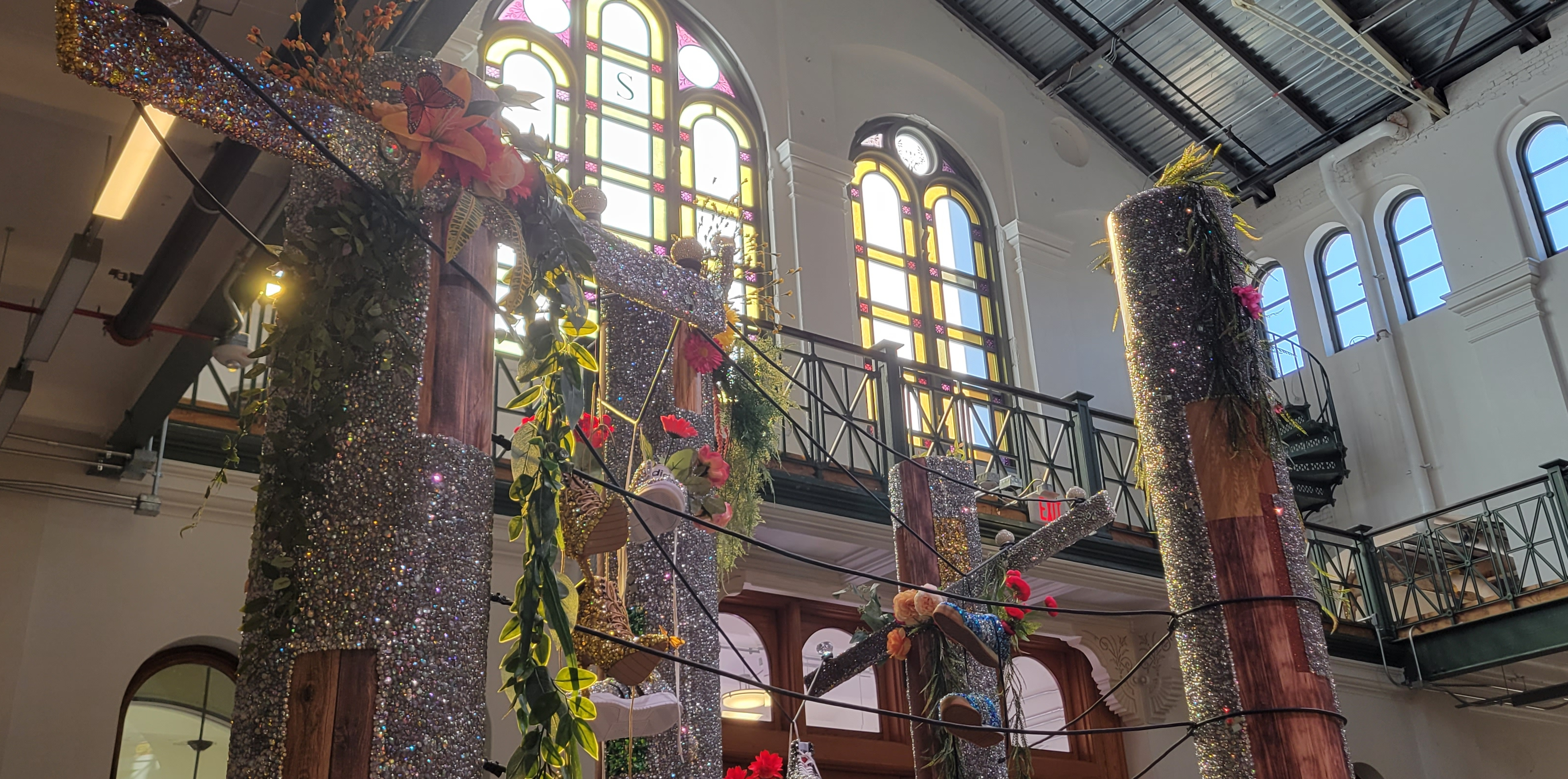
Glittering poles with flowers and greeneries and shoes as witnesses to lives lost.
“Come, Take a Moment” is an installation by Devon Shimoyama meant to encourage visitors to the Arts and Industries Building’s exhibition called The FUTURES to pause and reflect on the “tumult and tragedy brought on by racial violence and the COVID-19 pandemic.”

We all know it wasn’t an easy year, but unlike 2020 it had moments of brightness made possible by the COVID-19 vaccine. I know taking a vaccine is an odd thing to list as an accomplishment, but when belief in our ability as humans to take care of each other feels like a challenge, taking the three shots in 2021 felt like something I could do not only for myself, but for others. More selfishly, taking the vaccine allowed me to hug family, and friends, and to fly across the country to meet my new nephew just days after he was born.

Continue reading “2022. Hello Forty.”

Three Lessons on Historical Storytelling from Punchdrunk

As historians we are told to interrogate our sources, trained to see connections, and build a historical argument based on primary, secondary, archeological, and physical documentation. As distant observers of past events, we look for detail and nuance—and for new ways to glean what lives within the silences.

In a lot of ways, this is not far from being an audience member at a Punchdrunk theatrical experience.

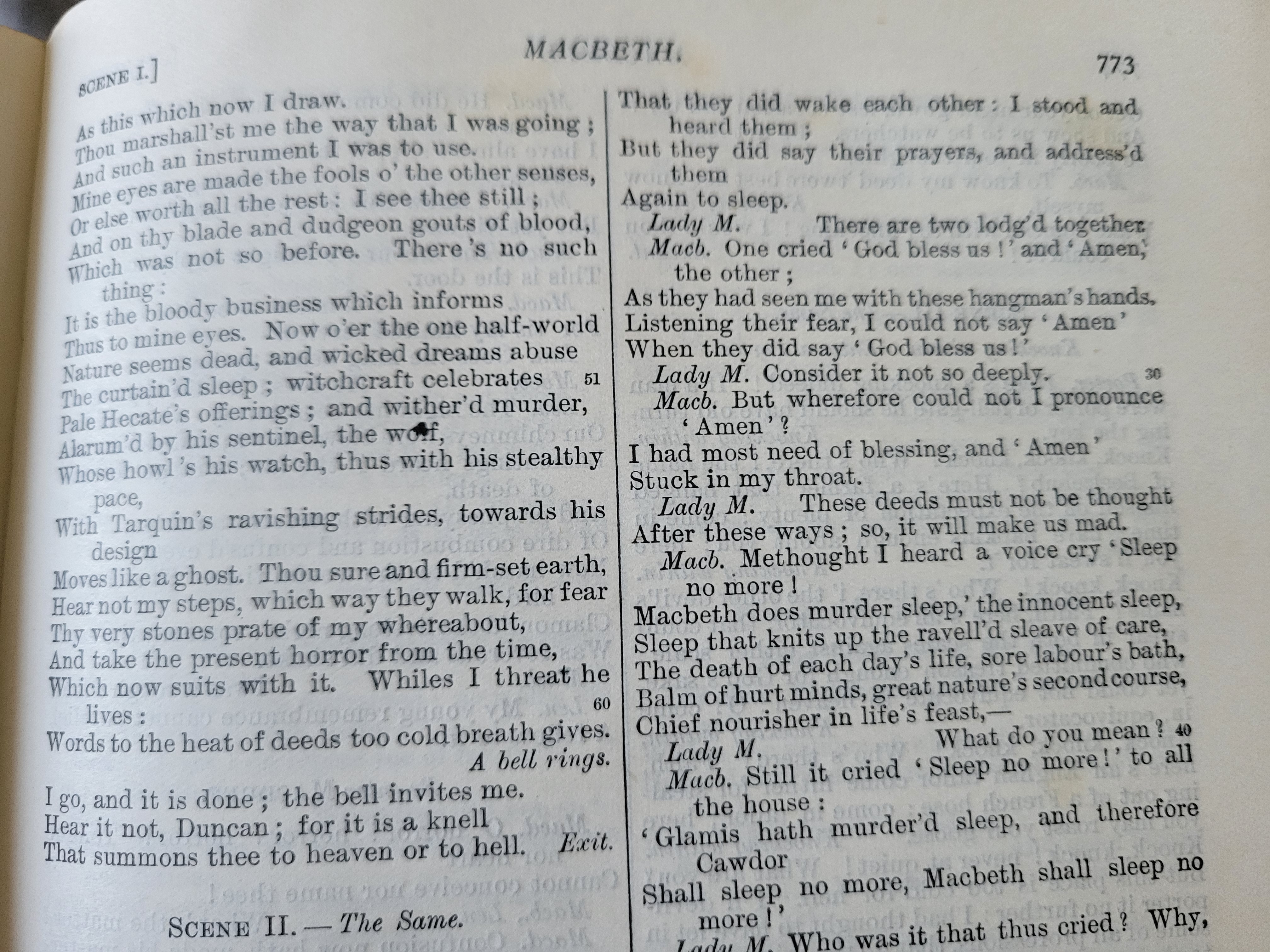
Nearly a decade ago as part of a piece on breaking the fourth wall, I described a play called Sleep No Morea co-production between Emursive and Punchdrunk. In this retelling of Shakespeare’s Macbeth the companies adapted three warehouses in New York City to create a massive theatrical experience. As the story unwound the audience meandered through five floors of sets in a fictional McKittrick hotel, stumbling upon scenes and story elements that included more than just the actors performing before us.

Sleep No More Act II, Scene II Macbeth. From an edition with an inscription that states “To Mary from Sidney. 17th June 1924.” | Credit Priya Chhaya

Since that production, I have been fascinated with the storytelling methodology of immersive theater, and in June of 2021, as part of Punchdrunk’s online educational offerings, I took a course on Introduction to Design. I hoped that the course would give me some insight into how immersive theatre layers on different elements of sound, visual spectacle, movement, and narrative cues to build a story that demands the active use of observation by their audience.

Continue reading “Three Lessons on Historical Storytelling from Punchdrunk”

Blindness Overcome

This is, in part, a story about my own fight to see.

My own blindness.

Just under eighteen years ago, as a junior in college, I struggled to keep my eyes open in class. It is a vivid memory, with the realization that something wasn’t right during a small seminar on Early America with Dr. James Horn. We were in Blair Hall at the College of William and Mary—one of my favorite places in the world—where I often sat perpendicular to the glorious golden sunlight streaming past the projector screen into my eyeline. At the time I thought it was due to a lack of sleep, but after few weeks of going to bed early, and covering my eyes in windowless rooms, I realized I had actually developed an intense sensitivity to light.

Doctor after doctor thought I had a corneal ulcer, or an aggressive form of a common eye virus, but one weekend, as a friend and I drove from Virginia to State College, Pennsylvania, that ulcer turned into a very visible, very painful, white ring around my cornea.

Have you ever tried to watch Lara Croft: Tomb Raider in a movie theatre while having stabbing eye pain? I have. And by the end of the weekend, I felt as if I was staring into a white fog. I felt unmoored and terrified. An experience I never want to replicate again.

If You Can See, Look

Blindness at the Donmar Warehouse 57 | Credit: Helen Maybanks
Continue reading “Blindness Overcome”