Today is Election Day, so naturally I want to talk about ghosts.
But first:
By the time you see this piece we will be at the start, in the middle, or on the other side of Election Day. We might know the direction our country is heading, we might still be in limbo, or be staring into a world that is unrecognizable. I write this, on some level, to quell my own anxiety. My own fear. My own gnawing worry that even with a win, we will still have lost some essential promise of a more perfect union. That even if the outcome I prefer occurs, we are still facing a host of challenges that won’t just be wiped away with one day.
As I so often do, when facing uncertainty I turn to words, in this case pages and pages of notes that I took on two warm summer days this past July at the Monument Lab Summit (MLS), a gathering of individuals dedicated to expanding the vision of what commemoration looks like in this country. A summit where ghosts lurked around every corner (Note: Ghosts is also the theme of Monument Lab’s journal Bulletin, and is an inspiration for this post)
View of Independence Hall in Philadelphia, Pennsylvania.
The MLS took place in Philadelphia, within and around Independence National Historical Park. Steps away from the place where a group of men made choices that rippled out to our current circumstances. By hosting the summit on that particular piece of land we were actively engaging in a commemorative conversation that was in relationship to and a reflection of that particular set of historical circumstances.
We heard from oral historians and artists, community organizers, and advocates as they shared the ways in which monuments and memorials can disrupt, heal, and shift perspectives toward a more empathetic future.
If there is one thing I have learned about myself in 2023, it is this: change takes time. It is easy to tell yourself that you are ready to refocus your life and build an expectation for those shifts to happen overnight. It is just as easy to fall back into old habits and get caught up in the least important things, forgetting to breathe, or to strive for the balance necessary for well-being.
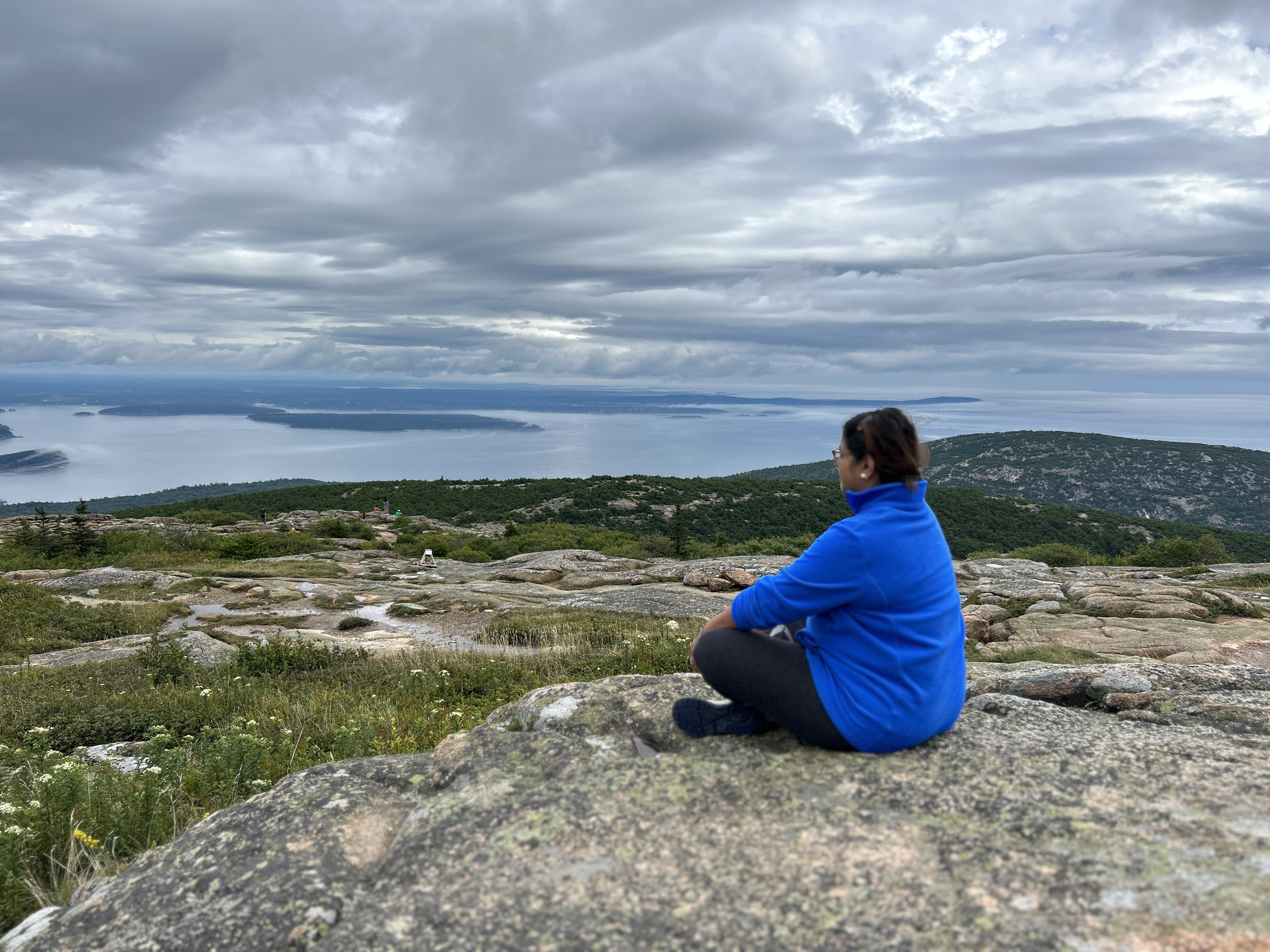
Priya looking out over the waters from Cadillac Mountain at Acadia National Park in August 2023.
Last January, my intention was clear, 2023 was going to be the year of service. I volunteered for the Posse Foundation, I took photographs at an event for 826DC, I stood as a poll greeter for primaries and the general elections, I continued my committee and board service to the National Council on Public History, and I threw myself into the hyperlocal service that comes from being the chair of my building’s activities committee. All were rewarding in their own way, but it became apparent that there was an imbalance, and the volume of expectations I had put on myself was not sustainable.
2023 was also about standing adjacent to grief.
From January to December, I watched friends and family struggle with profound losses of parents, siblings, grandparents, and friends. While I couldn’t always help, I sent them love, acknowledged their sadness, and was present when needed. Then, as the world faced and continues to face escalating global conflicts, I remembered the words of activist and faith leader Valerie Kaur who said, “Seeing no stranger begins in wonder. It is to look upon the face of anyone and choose to say: You are a part of me I do not yet know,” and so their grief, became my grief. Their loss, my loss.
But I needed a reminder to breathe, to balance the fear, the sadness, and the weight of grief, with the privilege of joy.
That joy, came from precious—in person, lest we take it for granted—time with my family, my friends, and my circles of community. In February, I traveled to India to sit with and be with my aunts, uncles, cousins, and my sole remaining grandmother. It was two weeks of unscheduled time for conversation, for gathering, for feeling, and for love.
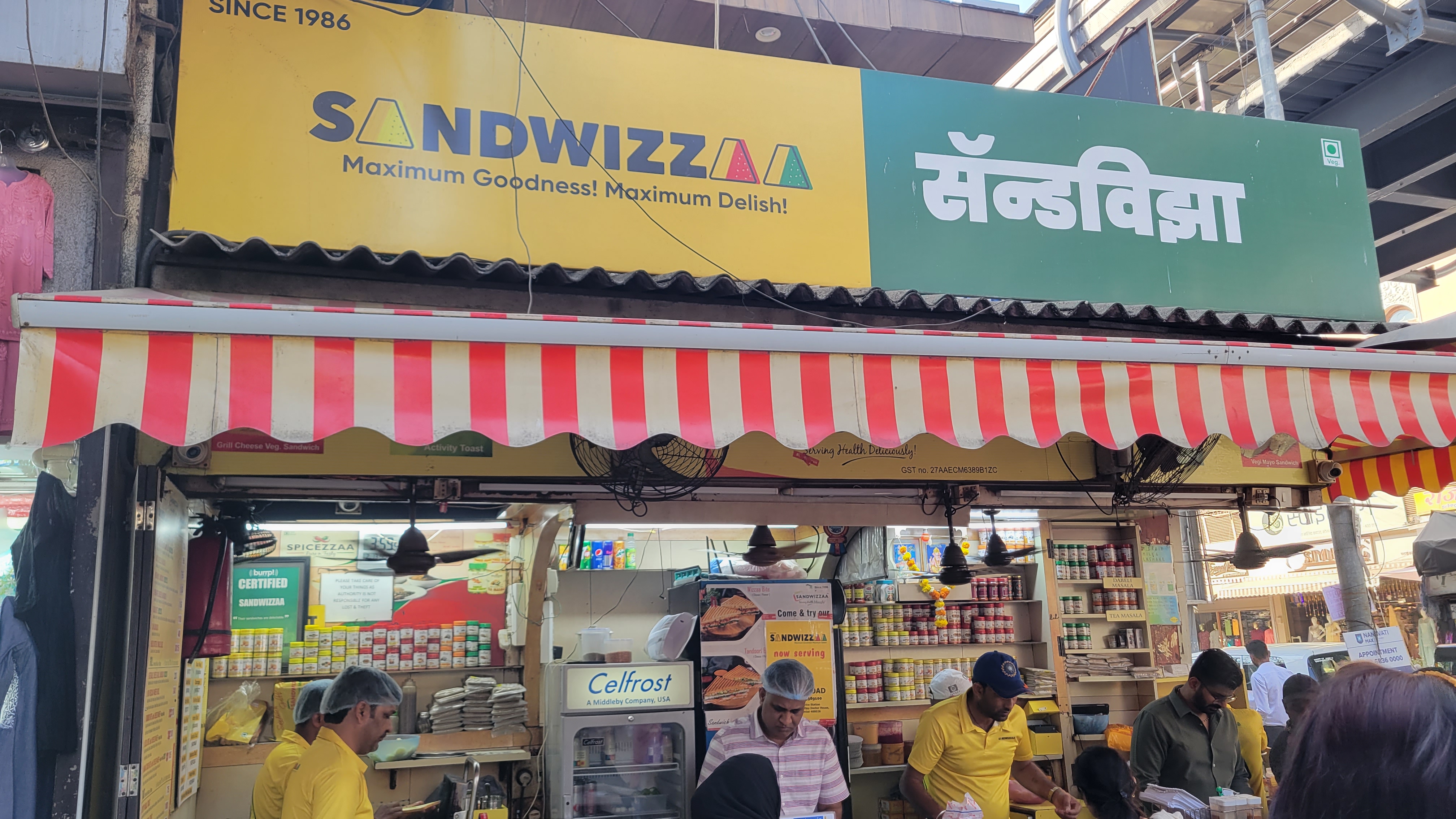
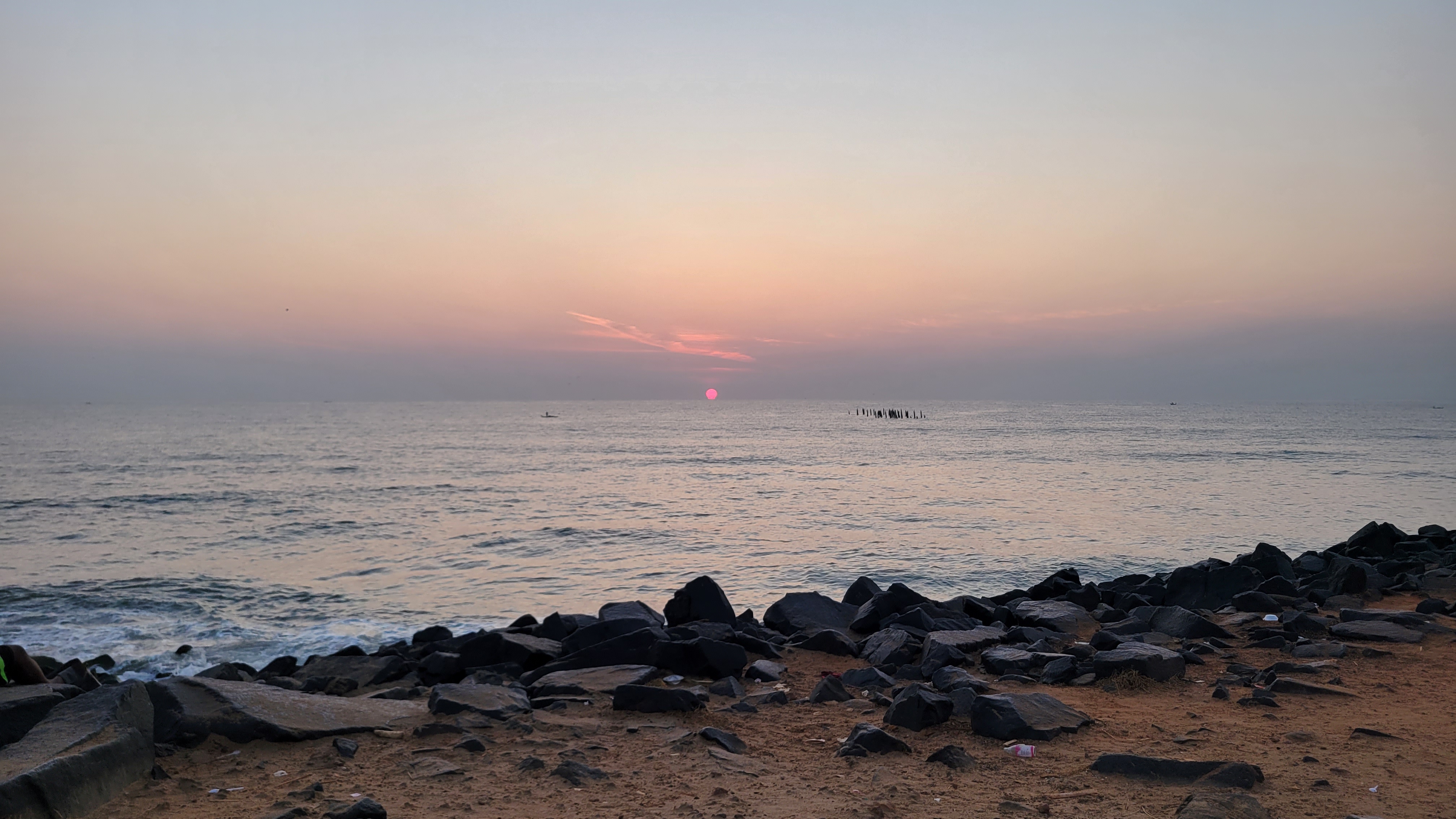
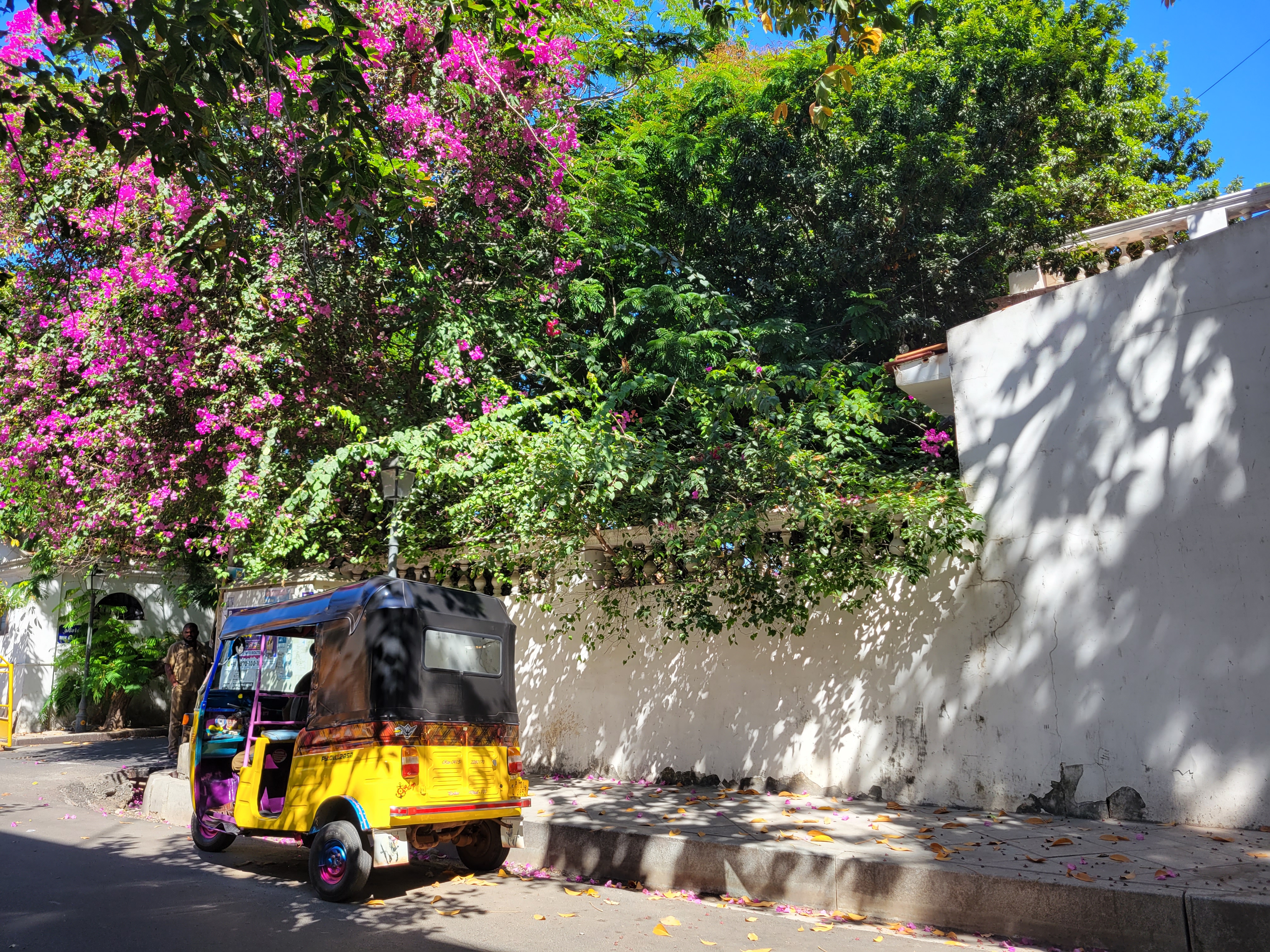
Images Clockwise: My favorite sandwich shop in Mumbai, a street view in Pondicherry, a sunrise in Pondicherry.
Back in the United States, my immediate family and I gathered in San Francisco, New Jersey, and New York City—culminating in an epic 80th birthday party for my father at the end of the year.
In the spring I spent time with my public history colleagues in Atlanta for the first time since 2019, reinvigorating my mind as well as my soul.
I took road trips to Longwood Gardens and returned to Williamsburg to see old friends as my advisor took a well earned retirement. At home, I attended plays and concerts, visited museums, and had meals with people who reminded me of all the good and kindness that still exists amidst the sorrow.
A glimpse of Beyond the Light at ARTECHOUSE. This installation used images from NASA to create a visual journey through space.
There were intertwined in all of this, personal moments of celebration. I finished my second children’s book From the Stars to the Moon—a love letter for my niece the emphasized the importance of laughter. I attended my first book fair. I found comfort in watercolor painting, and I wrote 50,000 words for a novel that I hope pushes some promises I made over a year ago forward.
I became, as my friend and I joked, a farmer. As we worked on our community garden plot, I learned the patience and care that comes with stepping away from screens and tending the soil.
These people, these personal joys, were the breath that brought the balance.
In late September 2022, I followed my best friend and her two children through the streets of Möhringen in Stuttgart on a bicycle. As I struggled to stay straight and round corners, I was cognizant of the two children before me weaving in and out of those same street with an adeptness I did not feel.
You see, memory is an interesting thing. Sometimes you know exactly where you first learned a lesson, and it feels like it should be settled in your mind, something that you retain forever. After all, something that is easy to remember is “just like riding a bike.”
They neglect to say that even though you remember the lesson, there remains a level of vulnerability, where the fear of falling that first held you back returns to trip you up.
This vacation was a year in the making. Preceded by a week in Greece with one of my oldest friends, I decided to take an additional seven days to explore Germany, visit her family, attend an Ed Sheeran concert, and close it out by experiencing Oktoberfest.
A view of the landscape in Germany on the way back from the Ritter Sport factory/museum.
From the start of the trip, however, things did not go as planned. I had hoped for some serendipity along with some solo traveling, but unexpected news on my second day from home left me uncertain. By the time I reached Germany (with its fall-like temperatures so very different from the warmth of Greece) I resisted all adventure and chose to stay close, attending soccer practice for the kids, and watching Ted Lasso as a distraction.
However, even with all the changes, there was one thing I wanted to make sure to do. Something that I considered foundational to my work as a public historian and how I first began thinking about how we memorialize the past.
I know that you’ve been with me every hour, every minute, and every moment of the last ten years, but I hope when you re-read these words at the turn of your half-century on this Earth, that they make you smile.
You probably remember how, two weeks before our fortieth birthday, I cracked open a fortune cookie to find the words “You will soon be inspired to make a life-changing decision” on a tiny slip of paper.
“Life-changing” feels like a loaded phrase with many meanings. Perhaps, I needed to let the universe guide me towards spontaneity and adventure. Maybe, I should accept the path I was already on with a measure of certainty that success would certainly follow. It could also be encouragement to take a sharp left turn into the unknown.
However, you know me. I have said over, and over, again that change is not something I take lightly.
I do not jump. I plan.
I do not step off the path, I take the sure and steady curve to get where I need to go.
I say my, as if I was the only one staying there, but these are mostly my recollections tripping over one another in order to be shared.
My first memory is of us girls, ages 4-7-10 running up the carpeted stairs and staring in wonder at the double sink in the master bathroom. When we arrived, it was a new house with my older sister getting a room for the first time, while Trisha and I embraced the bunk bed (though we all really cuddled together at the bottom bunk saying our prayers while holding each other’s ears for comfort). But bit-by-bit we transformed the house as we transformed ourselves.
On August 14, I am marking not only 15 years at the National Trust for Historic Preservation, but also 15 years as a public historian. In the intervening years, a lot has changed—teams, expectations, job roles, and the organization itself—and I find myself reflecting on how those changes have changed me.
When your parents move out of their house of 30+ years you find the weirdest things at the perfect time. I started my new job seven days before my birthday. What a lovely welcome.
Consider the words at the start of this piece: Thankful. Grateful. Two words that I have been hearing a lot about, at a time when the intersecting and overlapping nature of work has shifted due to a virus that fundamentally altered how we see our lives. For many, this past year revealed that organizations and companies do not owe their employees anything. Whatever loyalty and commitment we have, it may not be reciprocated—an attitude I commiserate with—particularly in light of the series of layoffs within the museum and history field due to the pandemic.
Five years ago, I wrote about how important it was for me to be working in a field that I love—that if most of my life was spent at an office, I would rather work with passion, than with indifference.
This is, in part, a story about my own fight to see.
My own blindness.
Just under eighteen years ago, as a junior in college, I struggled to keep my eyes open in class. It is a vivid memory, with the realization that something wasn’t right during a small seminar on Early America with Dr. James Horn. We were in Blair Hall at the College of William and Mary—one of my favorite places in the world—where I often sat perpendicular to the glorious golden sunlight streaming past the projector screen into my eyeline. At the time I thought it was due to a lack of sleep, but after few weeks of going to bed early, and covering my eyes in windowless rooms, I realized I had actually developed an intense sensitivity to light.
Doctor after doctor thought I had a corneal ulcer, or an aggressive form of a common eye virus, but one weekend, as a friend and I drove from Virginia to State College, Pennsylvania, that ulcer turned into a very visible, very painful, white ring around my cornea.
Have you ever tried to watch Lara Croft: Tomb Raider in a movie theatre while having stabbing eye pain? I have. And by the end of the weekend, I felt as if I was staring into a white fog. I felt unmoored and terrified. An experience I never want to replicate again.
Twenty-Twenty has been a year of forgotten dreams and lost intentions. A year of stasis, and moments of deep grief in wells of unexpected sadness.
This weekend we lost an incredible leader. While I won’t hold her up as a paragon of perfection, Ruth Bader Ginsberg stood at the vanguard of fights to provide women in this country more agency and autonomy then they had ever had before. However, it is so hard to talk about the importance of her work, without acknowledging how her life was, for many, a tenuous thread holding a web of wavering hopes together.
On September 19, while many gathered in front of courthouses around the country, I held a very small vigil outside my home. As safe as it may have been, my fears around COVID held me back from going to stand in front of the Supreme Court.
If there is one thing I’ve tried to cling to in this hellscape of year, it is that glass-half-full perception that I define my life by. And as frustrated as I have become with the world, and my personal circumstances, I am searching, constantly, for beacons to offset the fear.
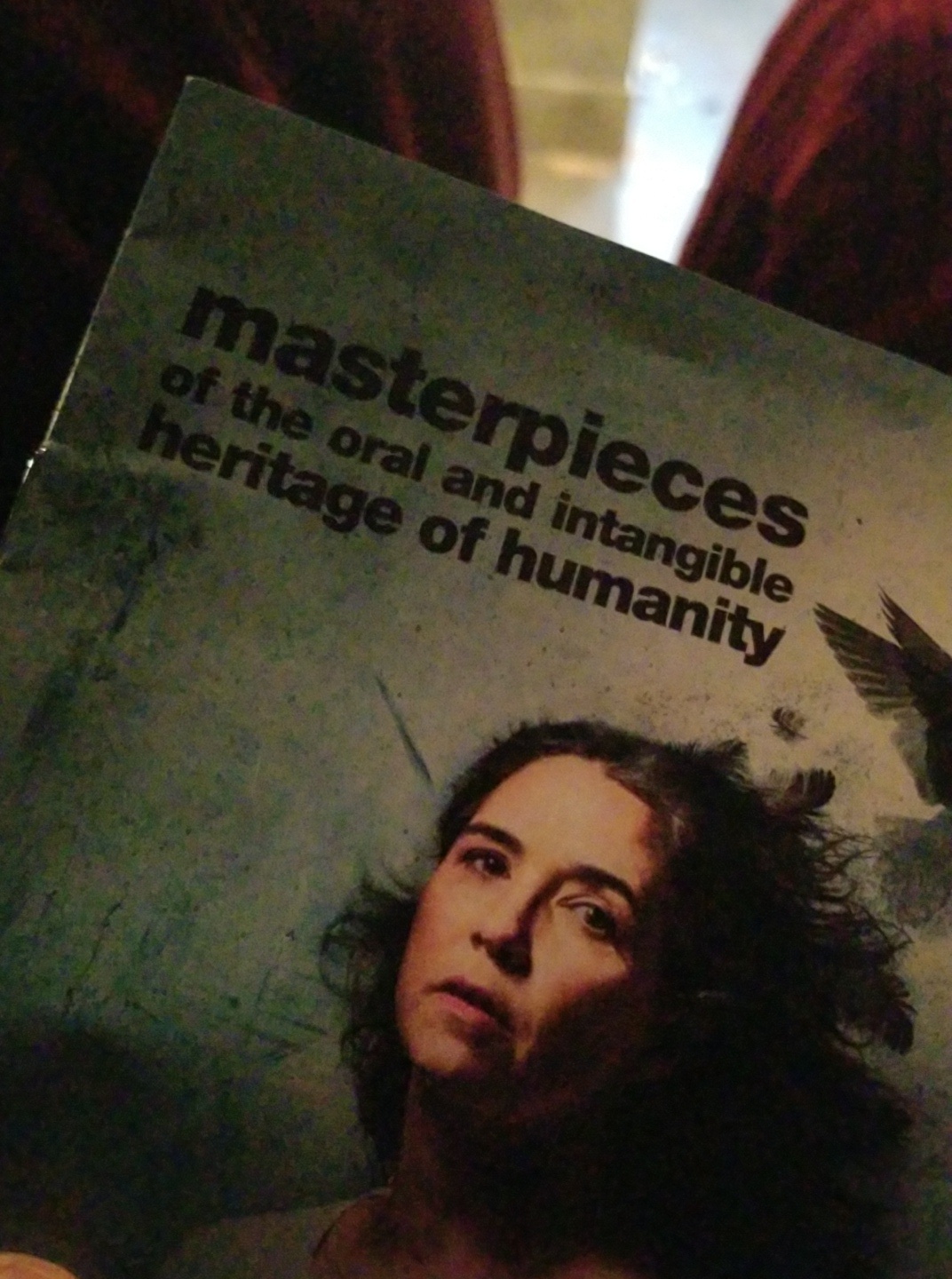
Masterpieces of the Oral and Intangible Heritage of Humanity is set during a war that has lasted one hundred years and devastated the entire world. Yet, three women from opposite ends of the conflict still manage to find common threads of humanity through the majesty of a painting. The idea that a beautiful work of art could transcend what seem to be insurmountable boundaries seems like it could have been ripped from today’s headlines and leaves the mind swirling long after the show has ended.
Despite its long title, this play was meant for me.
In nine words, the title captures not only the imperatives of oral and intangible history of telling untold stories, but also with the final word — humanity— a dose of reality about what is at stake. I’ve written about my feelings about dystopian narratives, especially as they force us to take stock of the world while acknowledging its fragility.
Does preserving old places–and the memories they represent–matter? Do the individual and collective memories embodied in old places help people have better lives?
As I’ve read his series it has brought back my own thoughts on memory and memorializing–where stone structures on a battlefield or ever-living trees bear witness to the past. At this intersection of memory-place-monument these objects of remembrance serve as a physical manifestation and encapsulation of a collective connection to the past.
Old places provide a tangible reminder that something happened–that humans stood in this exact spot and did something. That we interacted, enacted change, or fought for a cause.






 ...this is what comes next