Keep Humanity in the Loop in 2026

“We need so much less than we take. We owe so much more than we give.”—From “Homesick: A Plea for our Planet” in You Better Be Lightning by Andrea Gibson

I did not know anything about Andrea Gibson when news of their death broke in July 2025. A poet, Gibson had lived a life that inspired others, using words to draw out emotion and connection across several themes. But something changed after Gibson’s diagnosis of ovarian cancer. “Their writing,” as Gibson’s friend Amber Tamblyn described “moved beyond protesting the injustices of the world in binary political terms of right and left as they began to explore the problem of our shared inhumanity. Andrea could see what so many could not: that we are more fractured than ever, and that the only salve might be to lean into what sometimes feels impossible—to love and appreciate each other in spite of our differences.”

Tamblyn’s piece came out in October, around when I started thinking about how I wanted to reflect on 2025, and those particular words took root in my heart. I asked myself, how could I turn this piece from a lament to a balm, particularly when it had been, in so many respects, a terrible year.
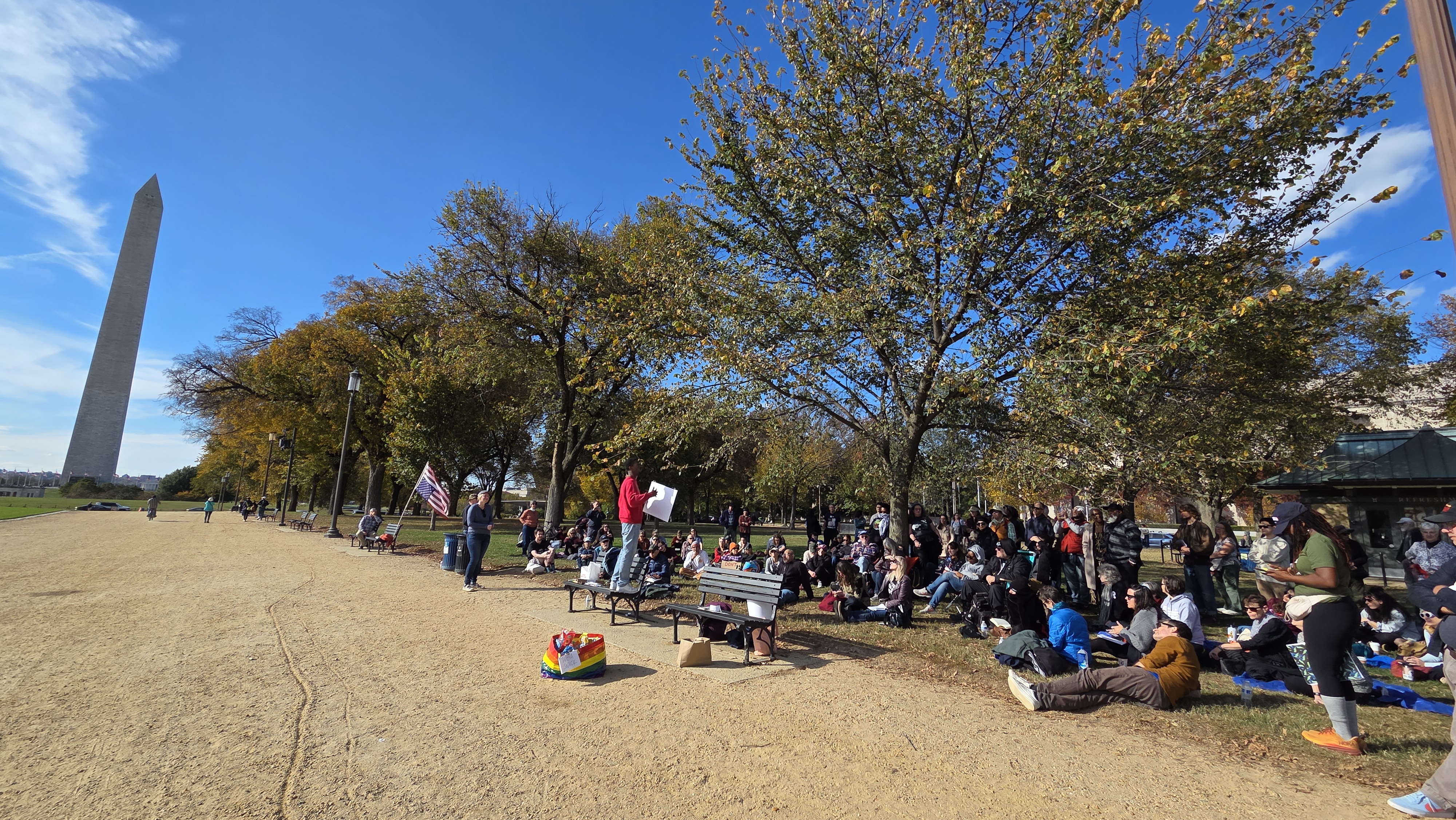
A group of people are gathered with the Washington Monument in the background.
In the fall of 2025 a group of people gathered for a teach in hosted Nate DiMeo (The Memory Palace) and Jody Avrigan (This Day). I attended the middle of the day session and found connection and conversation (along with lessons learned) through the presentations.

Maybe, it is best to start by being honest.

Every single day of 2025, I worked to put one foot in front of the other while letting the steadiness of my heartbeat keep me grounded. By holding onto these constant physical reminders—proof of life so to speak— I comforted myself that I was healthy and living with a measure of personal stability.

However, even within that amorphous sense of safety, it was impossible to feel truly secure when faced with the pain of others, especially when everything felt (and still feels) in a state of cognitive dissonance. I tried to remember my intentions—focusing on perspective and perception—written in those last days before the grotesque funhouse mirror we call our country came into focus. I examined how I spent the next 340ish days struggling to hold onto that perspective, trying to trust my perception of events as they unfolded, even as others found ways to rationalize the choices of the corrupt and powerful.
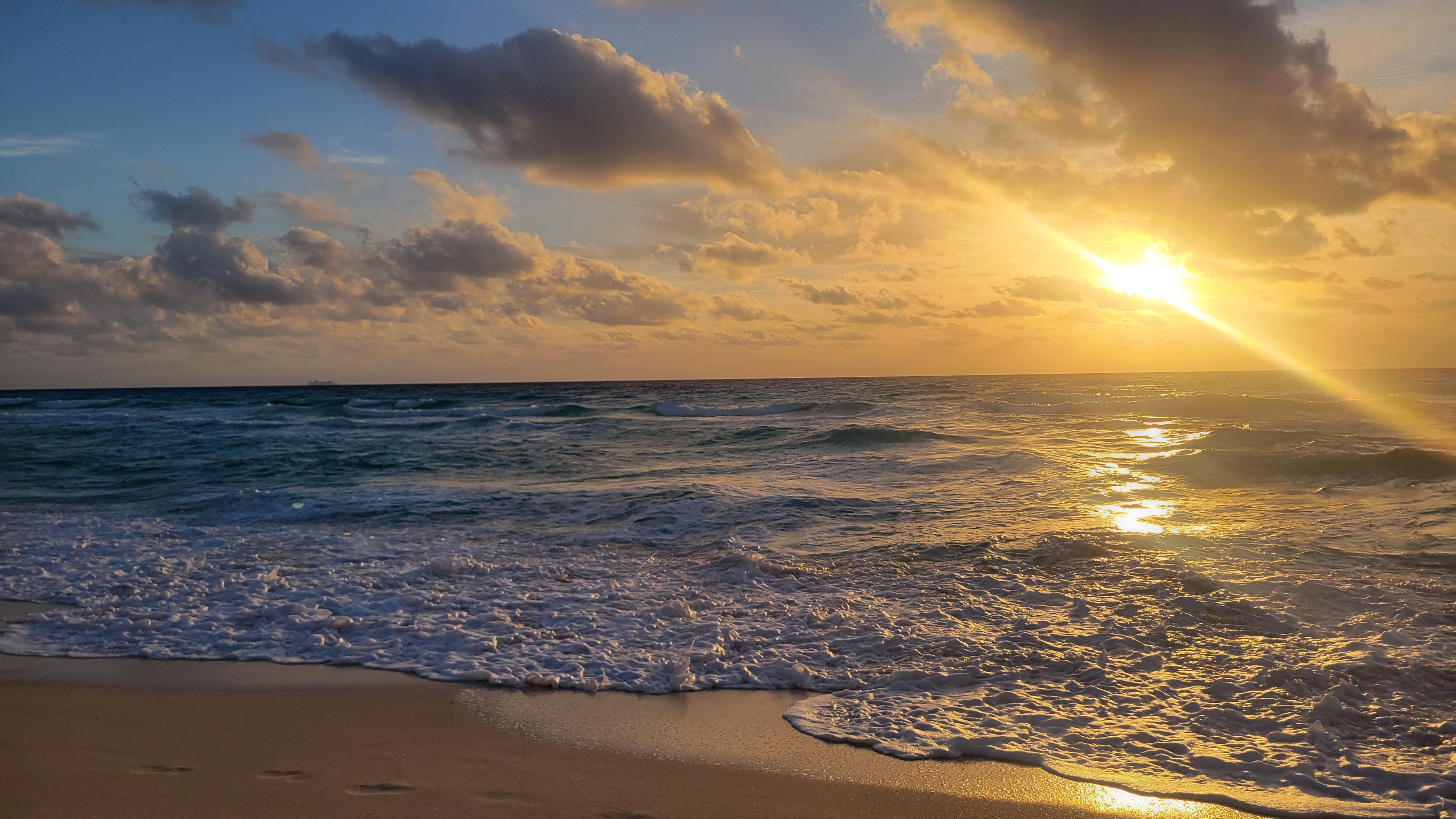
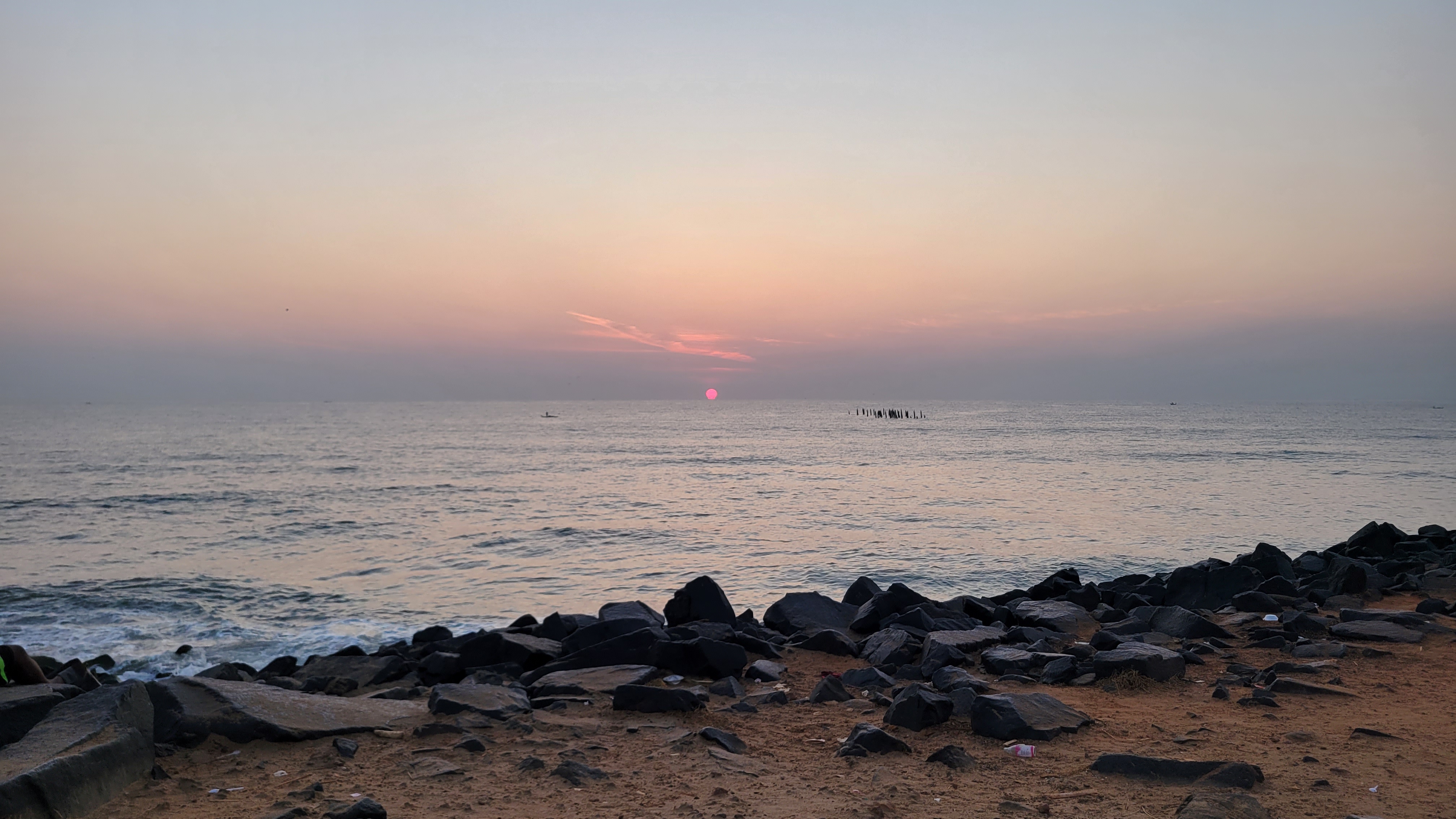
A sunrise over a beach with weaves coming in.
In February 2025, my entire family went on a trip to Cancun, where we had the opportunity to connect with one another.

To survive, I sought ways to step back from the firehose of news and focus in on what I could do as a historian, a woman, and a human being. I protested, I traveled, I wrote poetry (not every day as I intended but when my heart ached and my body sought an outlet). I sat in community with my friends and family, and I witnessed. I attended a teach-in. I looked for places to gather, to not feel so alone—allowing myself to feel this unyielding grief that has no remove; while not letting it overwhelm me. And when it did, I acknowledge, I sat myself in front of the television to escape, ceding sleep to stories that made me feel when the world was inciting me to numbness.

I allowed myself the grace of joy when it came my way, and accepted laughter as it stumbled towards me. And above all else I tried to center my humanity, and to acknowledge the humanity in others. Because that is one thing we are on the precipice of losing.
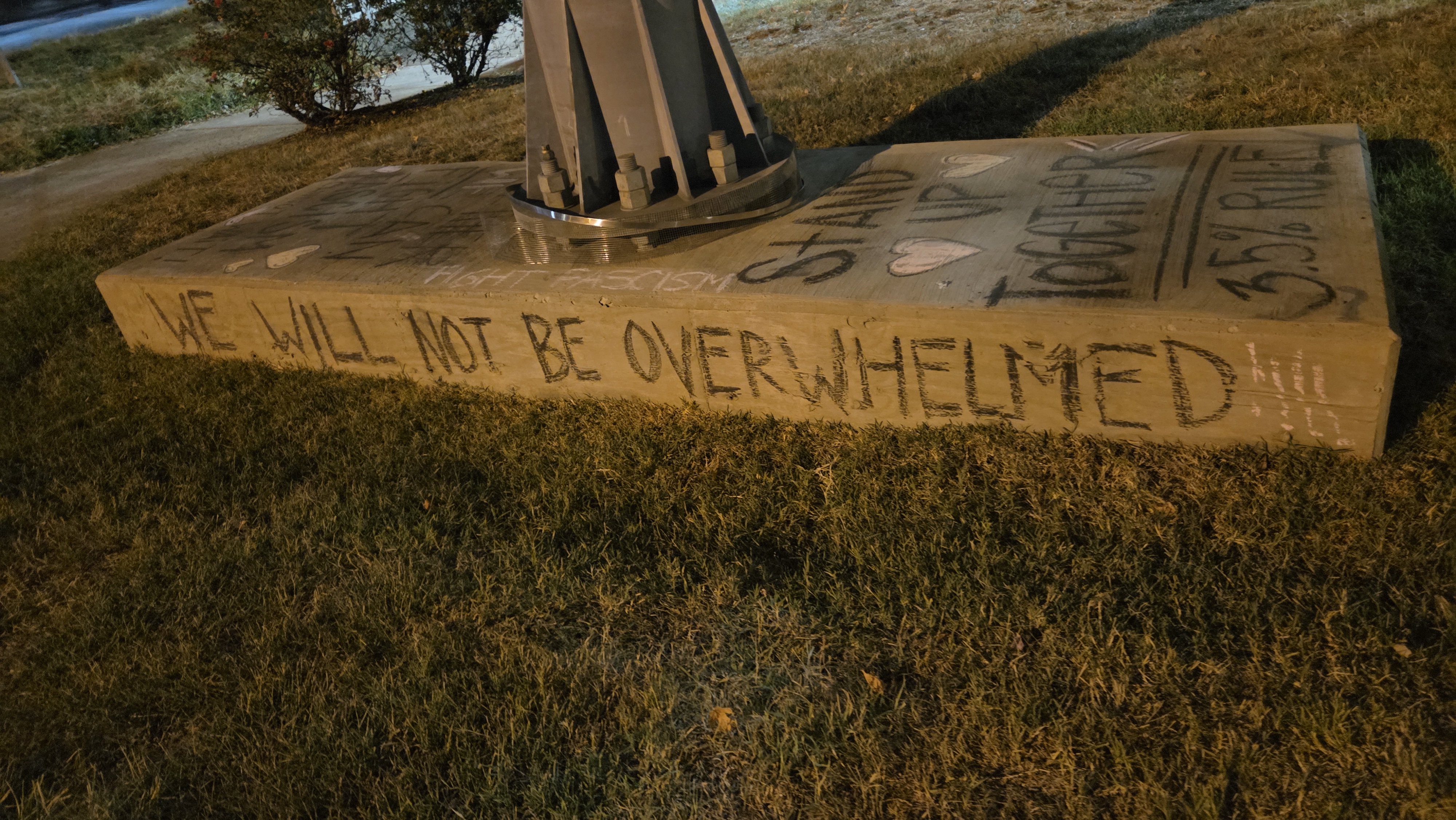
Words on a cement block calling for resistance
Every few days new words of protest popped up on my daily walks. Here is one of them.

A little while after reading the piece on Gibson, I traveled to Oklahoma City for the launch of another huge professional project focused on Route 66. The event was at the National Cowboy Heritage and Western Museum, and as I meandered through the galleries I found myself arrested by a circular painting by Erin Shaw, a Chickasaw-Chocktaw self-described “artist of the borderlands, the spaces between worlds.” The painting, called Everything Belongs, is luminous. Against a background of blues and greens are a field of stories in the shape of individualized structures, animals, and symbols. It felt, almost like a yearning dreamscape, a call for imagination, a hoped for reality. One where we are all connected, and we all belong. And yet…
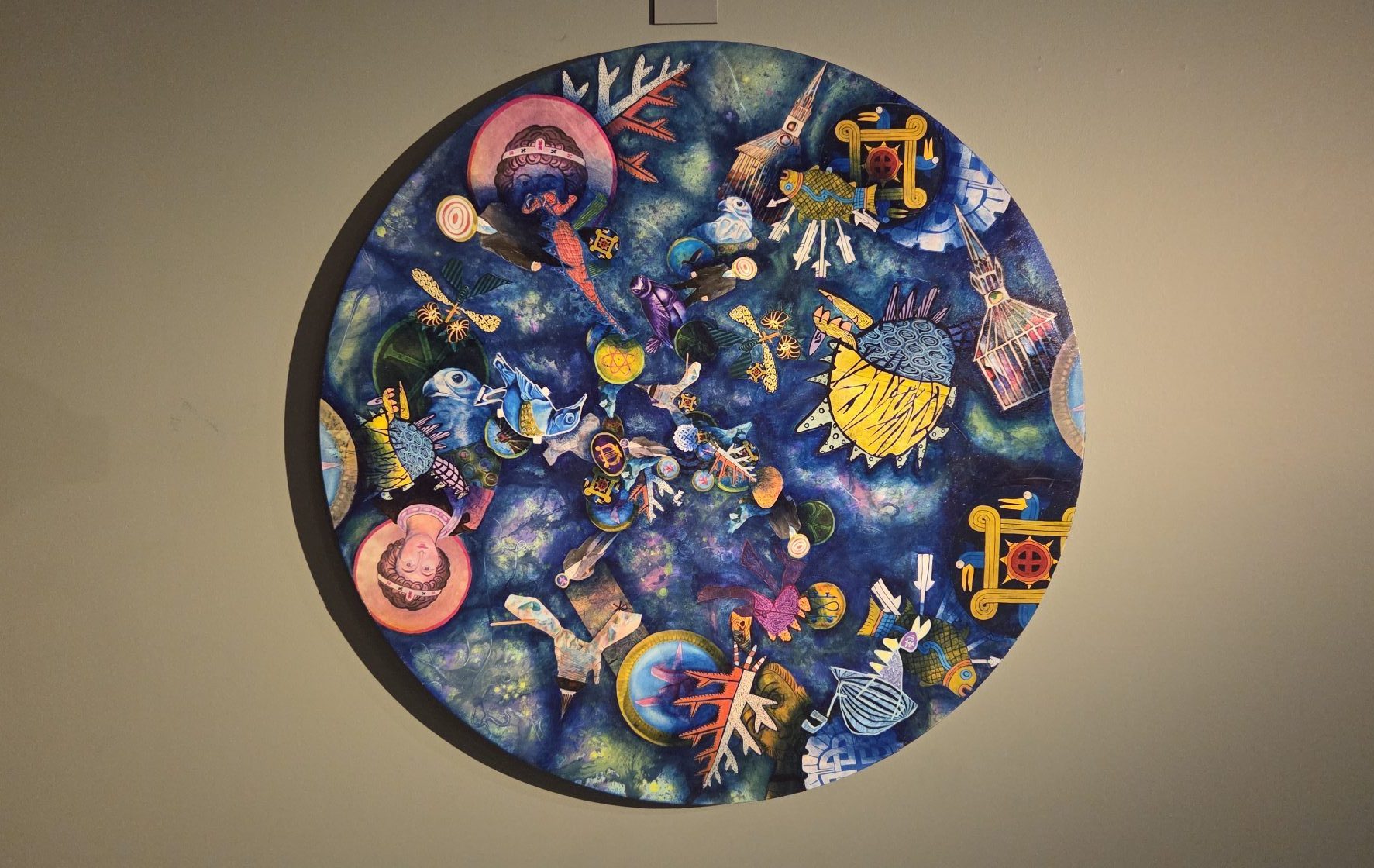
A circular painting with a blue background filled with symbolic and other imagery.
A painting by Erin Shaw, a Chickasaw-Choctaw artist based out of Oklahoma.

There is a phrase in the business of Artificial Intelligence (like so many I have been forced to learn more, and adopt this technology) about how it is a tool and that all must remember to “keep humans in the loop.” It is meant to be a reminder that as good as the tech can get, from an ethical standpoint human beings must be part of the system to ensure it is without error. The jargon says it is a moral checks and balances (though, what happens when the humans in the loop are agents of chaos? But I digress).

Consequently, in 2026 my intention is to keep humanity in the loop. It is a tiny difference, but it is one that asks us to remember that each one of us deserves to live a life free from pain, from hunger, from terror, and trauma. That everyone deserves a world in which we can thrive, and to not be afraid to move against the violence that is spreading unchecked across our country (and the world)—even as reality pushes the narrative that gleeful cruelty looks to be winning the day.

It must not be the case.
It cannot be the case.

As a historian, I believe fundamentally in the long arc of justice, know that change moves at the speed of generations, and that progress may no longer happen in my lifetime.* But we cannot stand still, we must be the agents for humanity. We must be the force for good, so that our voices rise higher than those that seek to shut it down.  

There simply is no other choice.
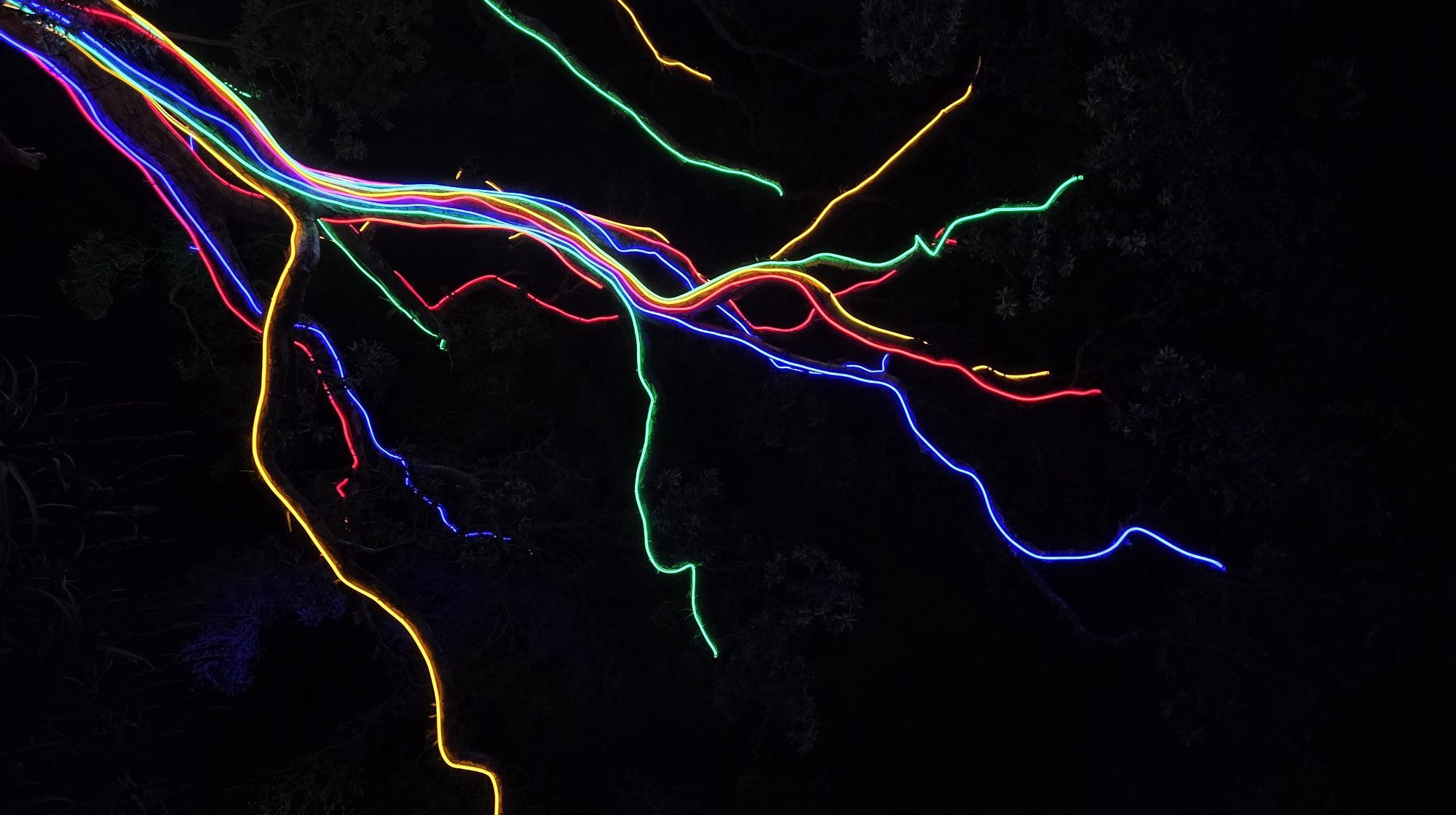
A detail view of branches of a tree outlined with different colored lights.
A detail view of one of the light up displays at the San Francisco Botanical Gardens annual Lightscape event. I was drawn to this image of multi-colored lights highlighting the natural shape of wintering branches.

In Case of Fire, Break Glass

I have ten fingers, ten toes, two eyes, two ears,
one mouth, one nose. I am, I am, I am,
Human.

And you? You have ten fingers, ten toes, two eyes, two ears,
one mouth, one nose. You are, you are, you are,
Human.

And them? They have ten fingers, ten toes, two eyes, two ears,
one mouth, one nose. They are, they are, they are,
Human.

But through the looking glass, a distorted mirror. Translating
avarice and greed and making others into monsters. Cracks:
Where 7 years of bad luck has captured souls, creating fractures.

But believe this: We are more than our appendages.
We are a head. We are a heart. We are a part of
humanity.

Another option:  

In case of fire, break glass.
I lift the hammer.

*Credit where credit is due: I look to the past for guidance and knowledge. These beliefs come from the actions, words, experiences of anti-slavery and Civil Rights era leaders, and other notable figures in Black history. I just serve as a vehicle to carry those legacies forward.

My Twenty Twenty-Five

Here is a look at all that I read, watched, experienced in 2025. For reasons I describe above, I wrote nothing for myself this year, so as a result my full thoughts on some things are taking up valuable real estate in my head. As a writer that is uncomfortable, so I’ll work on that.

Continue reading “Keep Humanity in the Loop in 2026”
2024: Breath & Balance

If there is one thing I have learned about myself in 2023, it is this: change takes time. It is easy to tell yourself that you are ready to refocus your life and build an expectation for those shifts to happen overnight. It is just as easy to fall back into old habits and get caught up in the least important things, forgetting to breathe, or to strive for the balance necessary for well-being.

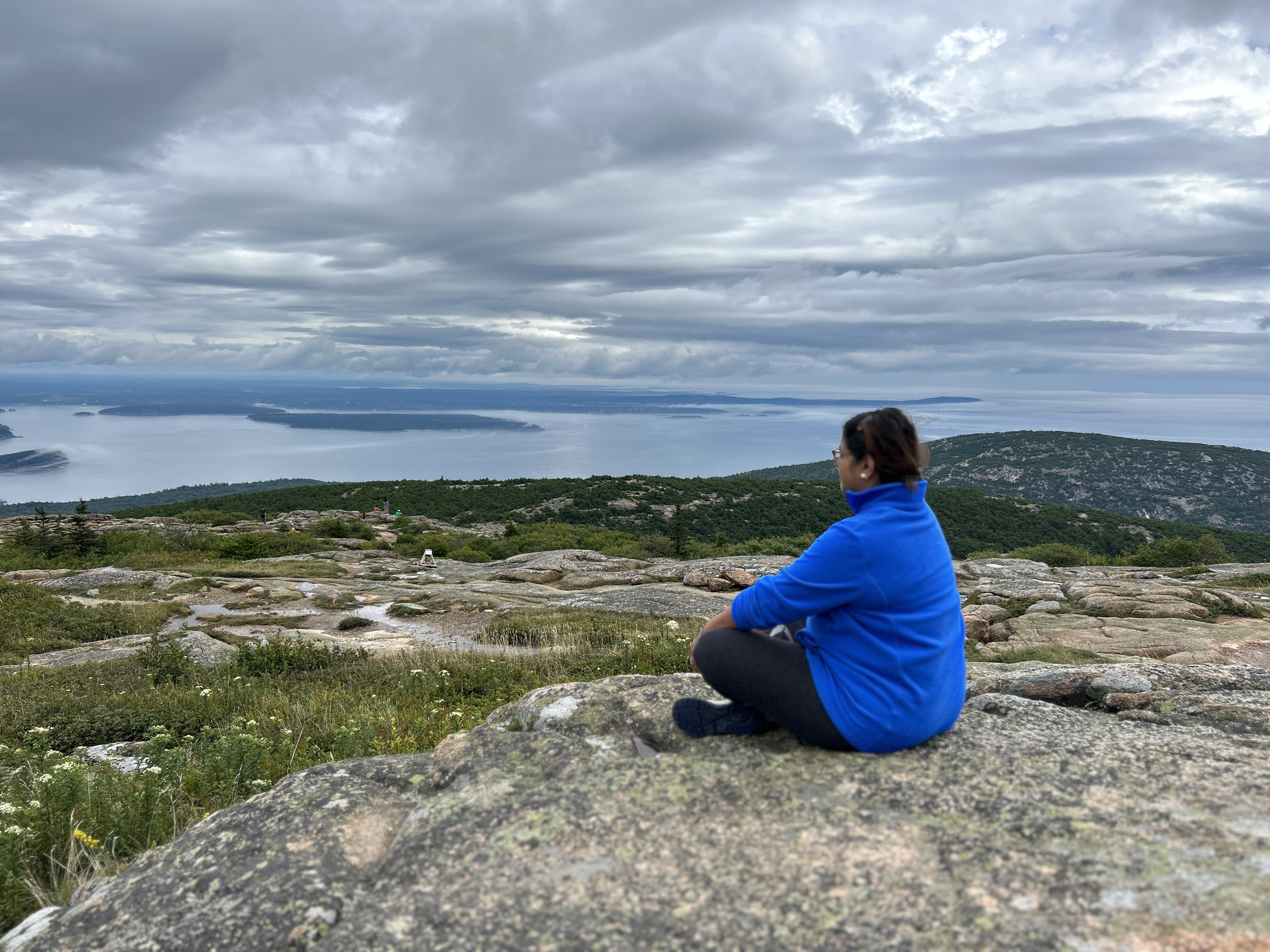
A woman sitting cross legged on the ground looking out over the waters in Acadia
Priya looking out over the waters from Cadillac Mountain at Acadia National Park in August 2023.

Last January, my intention was clear, 2023 was going to be the year of service. I volunteered for the Posse Foundation, I took photographs at an event for 826DC, I stood as a poll greeter for primaries and the general elections, I continued my committee and board service to the National Council on Public History, and I threw myself into the hyperlocal service that comes from being the chair of my building’s activities committee. All were rewarding in their own way, but it became apparent that there was an imbalance, and the volume of expectations I had put on myself was not sustainable.

2023 was also about standing adjacent to grief.

From January to December, I watched friends and family struggle with profound losses of parents, siblings, grandparents, and friends. While I couldn’t always help, I sent them love, acknowledged their sadness, and was present when needed. Then, as the world faced and continues to face escalating global conflicts, I remembered the words of activist and faith leader Valerie Kaur who said, “Seeing no stranger begins in wonder. It is to look upon the face of anyone and choose to say: You are a part of me I do not yet know,” and so their grief, became my grief. Their loss, my loss.

But I needed a reminder to breathe, to balance the fear, the sadness, and the weight of grief, with the privilege of joy.

That joy, came from precious—in person, lest we take it for granted—time with my family, my friends, and my circles of community. In February, I traveled to India to sit with and be with my aunts, uncles, cousins, and my sole remaining grandmother. It was two weeks of unscheduled time for conversation, for gathering, for feeling, and for love.

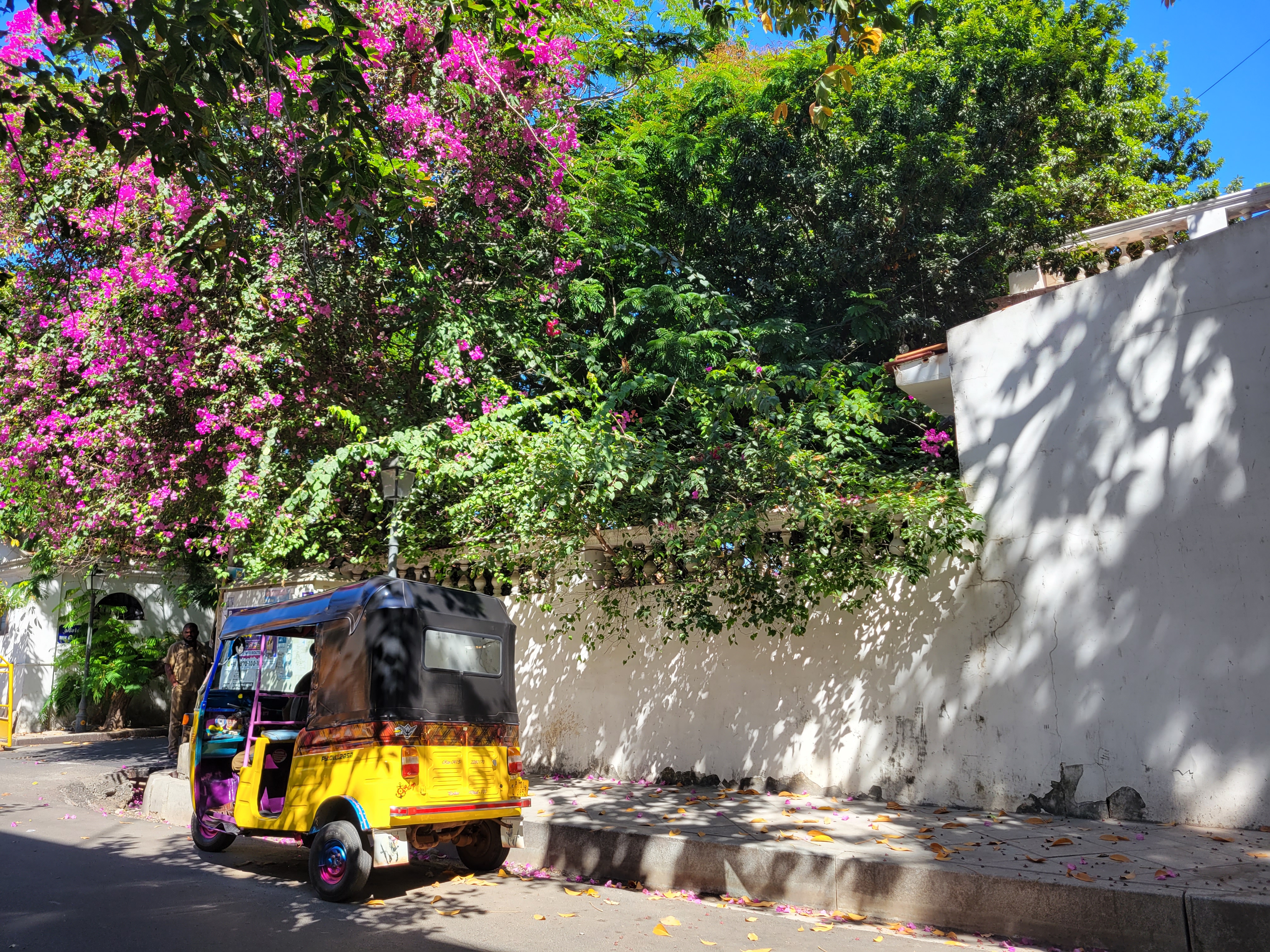
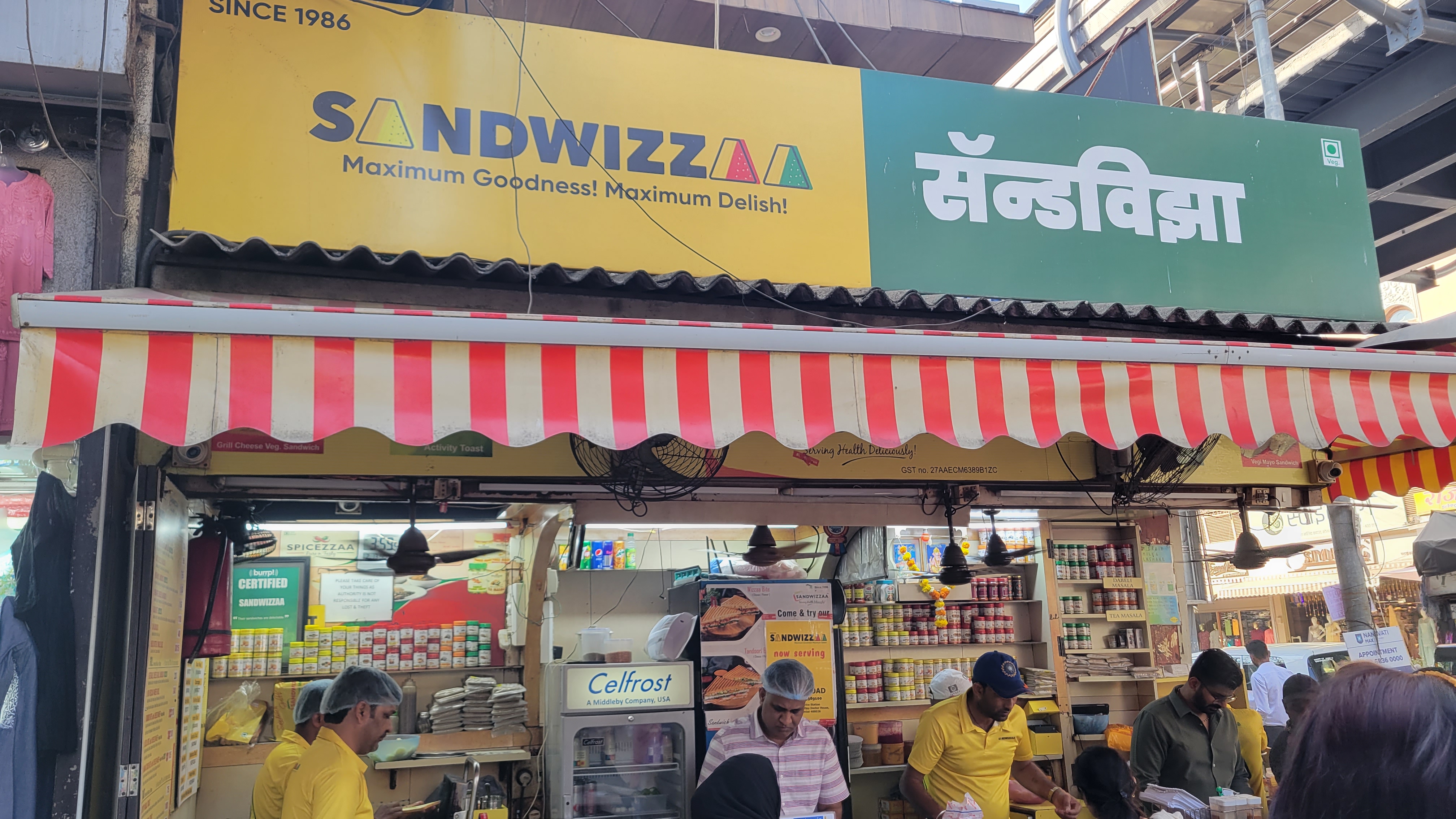
Images Clockwise: My favorite sandwich shop in Mumbai, a street view in Pondicherry, a sunrise in Pondicherry.

Back in the United States, my immediate family and I gathered in San Francisco, New Jersey, and New York City—culminating in an epic 80th birthday party for my father at the end of the year.

In the spring I spent time with my public history colleagues in Atlanta for the first time since 2019, reinvigorating my mind as well as my soul.

I took road trips to Longwood Gardens and returned to Williamsburg to see old friends as my advisor took a well earned retirement. At home, I attended plays and concerts, visited museums, and had meals with people who reminded me of all the good and kindness that still exists amidst the sorrow.

A glimpse of Beyond the Light at ARTECHOUSE. This installation used images from NASA to create a visual journey through space.

There were intertwined in all of this, personal moments of celebration. I finished my second children’s book From the Stars to the Moona love letter for my niece the emphasized the importance of laughter. I attended my first book fair. I found comfort in watercolor painting, and I wrote 50,000 words for a novel that I hope pushes some promises I made over a year ago forward.

I became, as my friend and I joked, a farmer. As we worked on our community garden plot, I learned the patience and care that comes with stepping away from screens and tending the soil.

These people, these personal joys, were the breath that brought the balance.

Continue reading “2024: Breath & Balance”

2022. Hello Forty.

Over the last ten years I have shared—on or around January 1st—a vision for my future. These have never been ordinary resolutions. Instead I wrote mantras, hopes, and wishes for what I want my life to stand for, what I want it to mean. More often than not I talked about taking risks and leaps, harnessing optimism, searching for kindness, and in some of our tougher years, encouraged myself to dig deep for a well of defiance.

Earlier this week, as I continued to think about how to approach this piece, I saw a suggestion (by an old high school friend) to not look to resolutions, but rather to make a list of things you were proud of in 2021. So here’s my list:

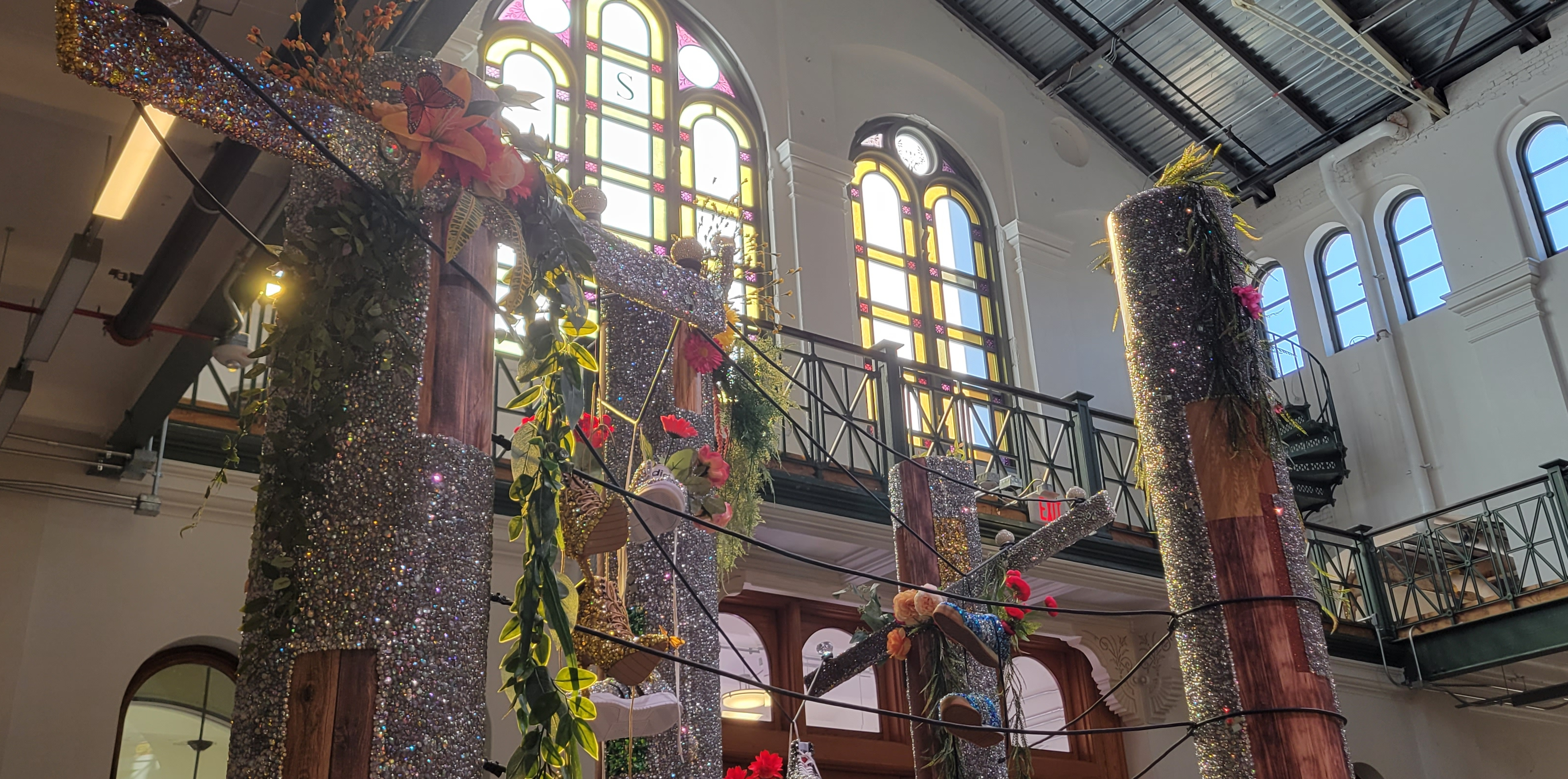
Glittering poles with flowers and greeneries and shoes as witnesses to lives lost.
“Come, Take a Moment” is an installation by Devon Shimoyama meant to encourage visitors to the Arts and Industries Building’s exhibition called The FUTURES to pause and reflect on the “tumult and tragedy brought on by racial violence and the COVID-19 pandemic.”

We all know it wasn’t an easy year, but unlike 2020 it had moments of brightness made possible by the COVID-19 vaccine. I know taking a vaccine is an odd thing to list as an accomplishment, but when belief in our ability as humans to take care of each other feels like a challenge, taking the three shots in 2021 felt like something I could do not only for myself, but for others. More selfishly, taking the vaccine allowed me to hug family, and friends, and to fly across the country to meet my new nephew just days after he was born.

Continue reading “2022. Hello Forty.”

Fifteen.

Five years ago I wrote about a fairly naïve, 23 year old who started her first post-grad school job thankful to be working professionally as a historian. I was grateful for colleagues, mentors, and an organization that enabled me to grow with time.

On August 14, I am marking not only 15 years at the National Trust for Historic Preservation, but also 15 years as a public historian. In the intervening years, a lot has changed—teams, expectations, job roles, and the organization itself—and I find myself reflecting on how those changes have changed me.

When your parents move out of their house of 30+ years you find the weirdest things at the perfect time. I started my new job seven days before my birthday. What a lovely welcome.

Consider the words at the start of this piece: Thankful. Grateful. Two words that I have been hearing a lot about, at a time when the intersecting and overlapping nature of work has shifted due to a virus that fundamentally altered how we see our lives. For many, this past year revealed that organizations and companies do not owe their employees anything. Whatever loyalty and commitment we have, it may not be reciprocated—an attitude I commiserate with—particularly in light of the series of layoffs within the museum and history field due to the pandemic.

Five years ago, I wrote about how important it was for me to be working in a field that I love—that if most of my life was spent at an office, I would rather work with passion, than with indifference.

Continue reading “Fifteen.”

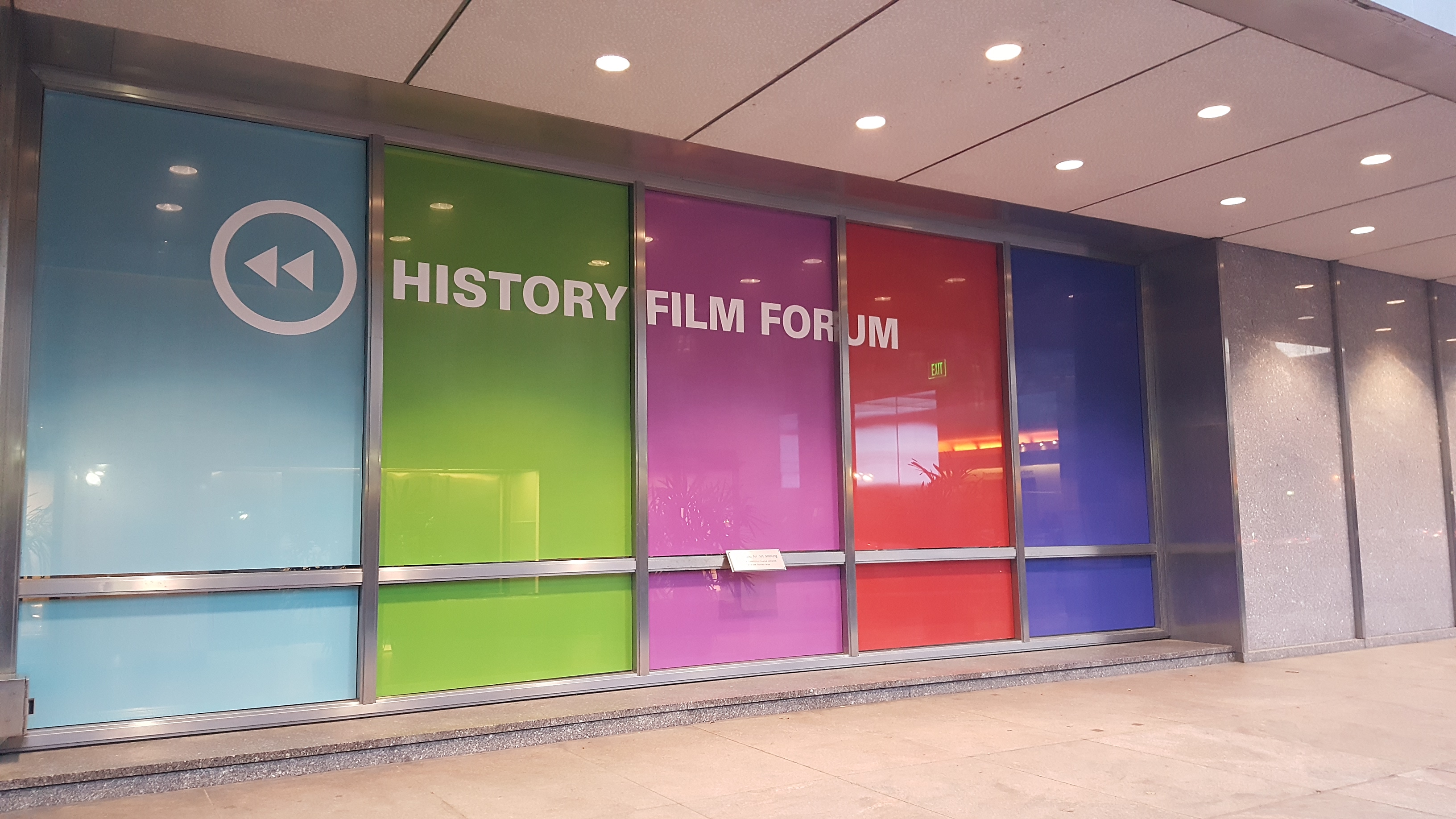
Journey to the Past: Timeless & the History Film Forum

Many fans of fantasy and sci-fi fall into two different camps: those who love time travel and those who don’t. For those who love it, suspension of belief is sufficient to get through the paradoxes that these narratives develop over time. The inverse is true for those who abhor stories that change the past, because repercussions from the butterfly effect leads to stories that are convoluted and messy.

20170309_181128

I thought about this the other day when watching Rogue One, last year’s Star Wars movie about a group of rebels plotting to retrieve the plans for the first Death Star.  While thrilling in its own right it is only through the final minutes (the final, last ditch, effort to escape Darth Vader) where we see the connective tissue between this film and 1977’s A New Hope.

In some ways it feels like a historical document. A primary source that fills in a missing piece — why everyone fears Darth Vader, just how desperate Princess Leia was to get the plans away from her ship, the absolute critical nature of C3PO and R2D2’s mission. It puts things into perspective and provides insight into a story that captured my imagination for the past twenty years. Continue reading “Journey to the Past: Timeless & the History Film Forum”

Hamilton: One Last Time

I had intended for this to go up in the waning days of last year but found myself wanting to spend my vacation away from my computer rather than in front of it. So here we are, with some final thoughts on the other side of the new year.

A final post, one last time, on Hamilton: An American Musical.

img_20160828_182927
This piece will mark my sixth and final blog post on my unabashed love for this genius historical musical. I swear.

In a lot of ways, this year has been the year of Hamilton for me. On some level it allowed some respite from the real world, while opening the floodgates on an already complex conversation about art, diversity, and our American past.

In 2016 I have been privileged to see the show on Broadway and like so many others devoured the Hamilton Mixtape, finished the Hamilton: The Revolution (henceforth the Hamiltome, the book about the making of the musical – with annotations!), and watched Hamilton’s America – the incredible PBS documentary that put the musical in its historical context. Continue reading “Hamilton: One Last Time”

Summer in October: Photos from Colorado

Inside Louis Dupuy's kitchen. A view down at the (not original) stove.
Inside Louis Dupuy’s kitchen. A view down at the (not original) stove.

Who says you can’t write about summer vacations in October? At the end of July I traveled to Colorado Springs for an epic family reunion. Naturally I couldn’t make a trip to a different state and not play tourist for a little while. I wrote about one part of my trip, a visit to Hotel de Paris in Georgetown for Saving Places.  The piece, which I had a lot of fun writing, is about the hotel’s proprietor, Louis Dupuy, a man who was a fugitive, journalist, and an infamous chef.

In addition to Georgetown I also spent a few hours in Denver, checking out the state capitol, the Emerson School (home of the National Trust Denver Field Office), and the Molly Brown House. The latter site is pretty great, mostly because it does what most historic houses do, but flips the perspective, telling us about Molly Brown’s legacy rather than just the male inhabitants. Continue reading “Summer in October: Photos from Colorado”

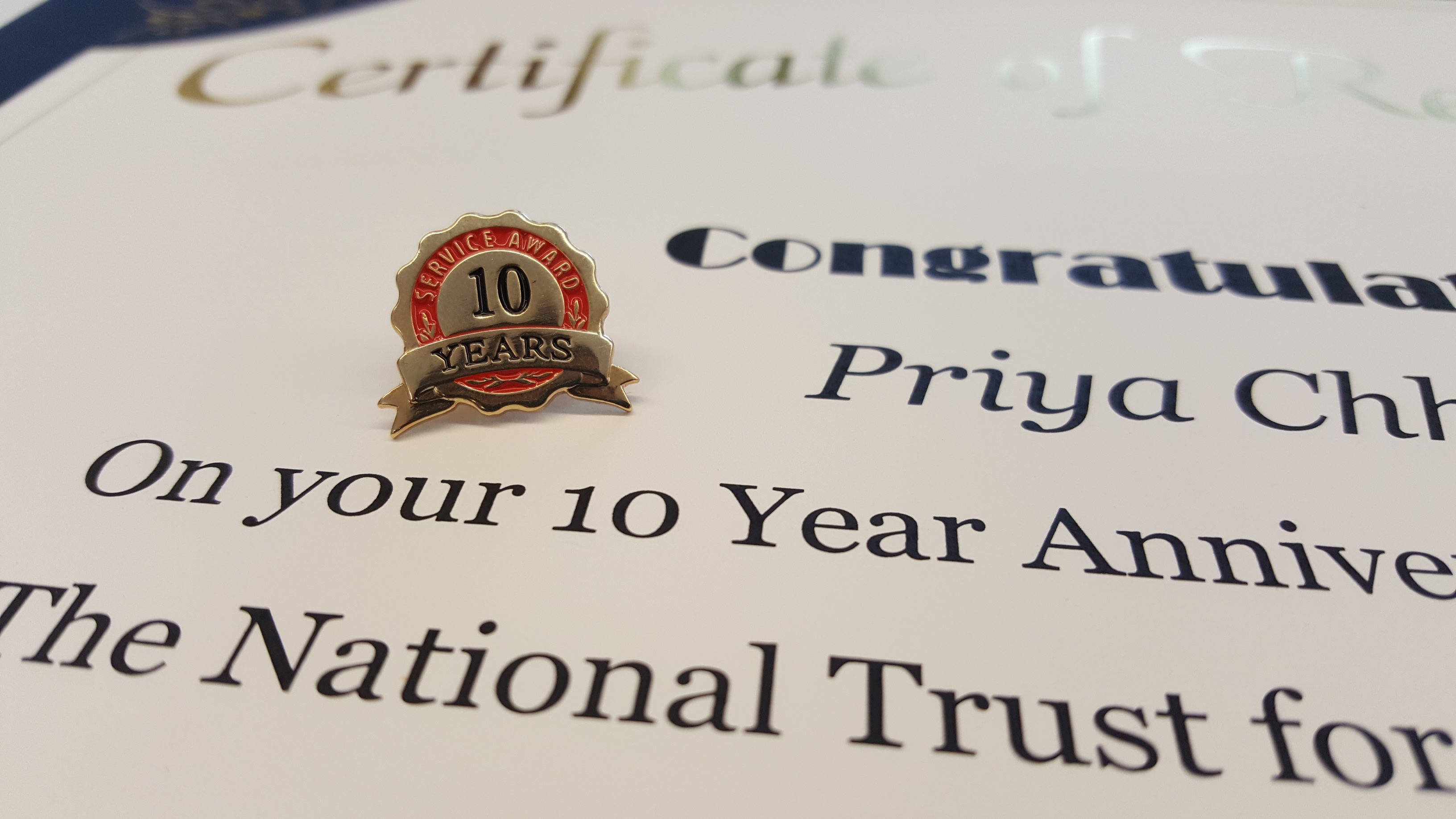
Ten.

August 14, 2006. This story begins in a stately building on the corner of 18th and Massachusetts in Dupont Circle. On this particular humid day, typical of a Washington August, a young twenty-three year old woman walked into her first day at the National Trust for Historic Preservation. While the specifics of her emotions are lost to time, they are likely tinged with a combination of relief (she has a job!) and excitement (she has a job in her field!).

That was then. This is now.

I have always been a big believer in loving what you do.  Every day we get out of bed and head to a workplace to spend a third of our weekly waking hours as means to support ourselves. In these hours we have a choice – to let our work become rote, a black hole of time filled with disengagement, or to find work that stimulates our mind, bringing passion and joy along for the ride. It is a luxury, perhaps, but something that I feel is essential.

10years

Continue reading “Ten.”

Raise/Raze at the Dupont Underground

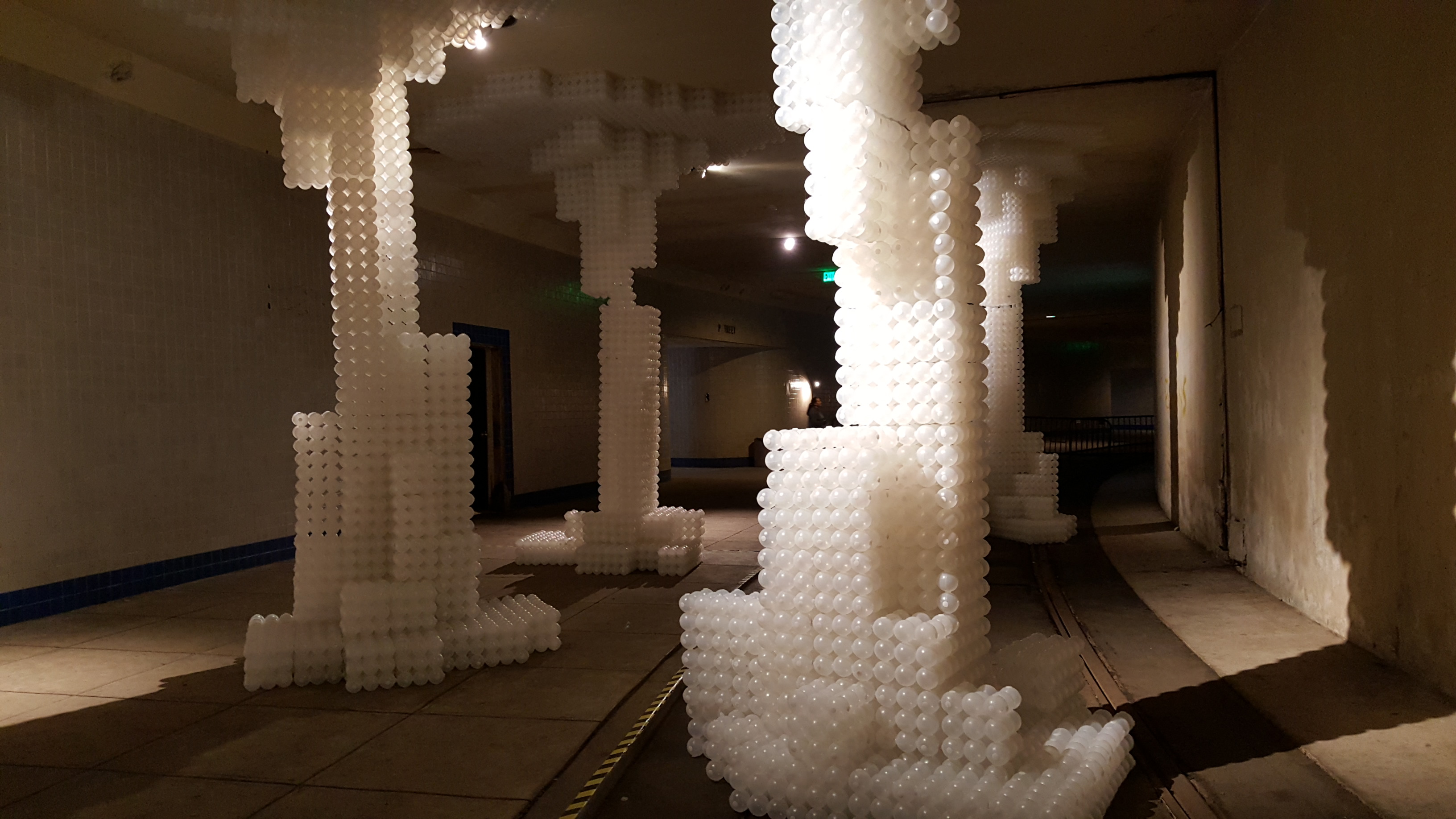
A few weeks ago I wrote two separate pieces on a unique art installation at the Dupont Underground in Washington, DC.  The exhibit took the plastic balls from National Building Museum’s “Beach” exhibition and turned it into an interactive work that looked at the building and re-building of structures.

Raise/Raze at the Dupont Underground.

Continue reading “Raise/Raze at the Dupont Underground”

1785 Forever

1785Does preserving old places–and the memories they represent–matter? Do the individual and collective memories embodied in old places help people have better lives?

Tom Mayes, a colleague of mine who is spending six months in Rome as a recipient of the 2013 Rome Prize, asks these questions in his latest post investigating “Why Old Places Matter.”

As I’ve read his series it has brought back my own thoughts on memory and memorializing–where stone structures on a battlefield or ever-living trees bear witness to the past. At this intersection of memory-place-monument these objects of remembrance serve as a physical manifestation and encapsulation of a collective connection to the past.

Old places provide a tangible reminder that something happened–that humans stood in this exact spot and did something. That we interacted, enacted change, or fought for a cause.

They are questions that I am also thinking about as I prepare for my last day at 1785 Massachusetts Avenue, the soon to be former headquarters of the National Trust for Historic Preservation.
Continue reading “1785 Forever”